
Kourosh Koobasi, portfolio
Portrait of Kourosh Koobasi

KOUROSH

Master studentLouvain School of ManagementE-commerce, AI, digital strategy,design, consulting
Brussels 00:00
Loading
After the name

THE STUDIO

AI benchmark, luxury
Bijarius
Health OS
Maison Opaline
Scroll
Selection, 2025 to 2026
Loading

View project
Scroll for the next visual

A jewellery house, imagined, then made digital in six weeks.

Louvain School of Management

7pieces designed
in six weeks

Six students, six weeks, alongside our other courses, and a house to invent from scratch: seven pieces, an identity, a website, a shop, an ERP. I owned the image, from positioning to the website’s visual direction.
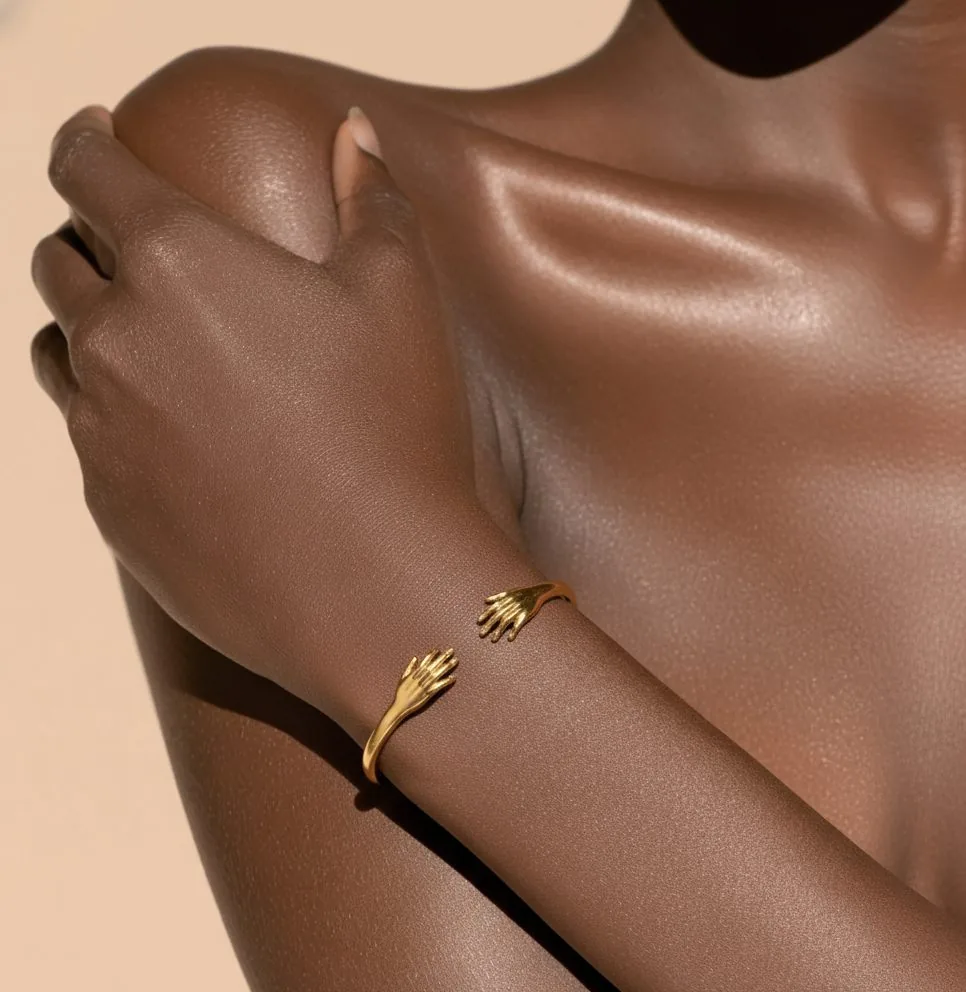
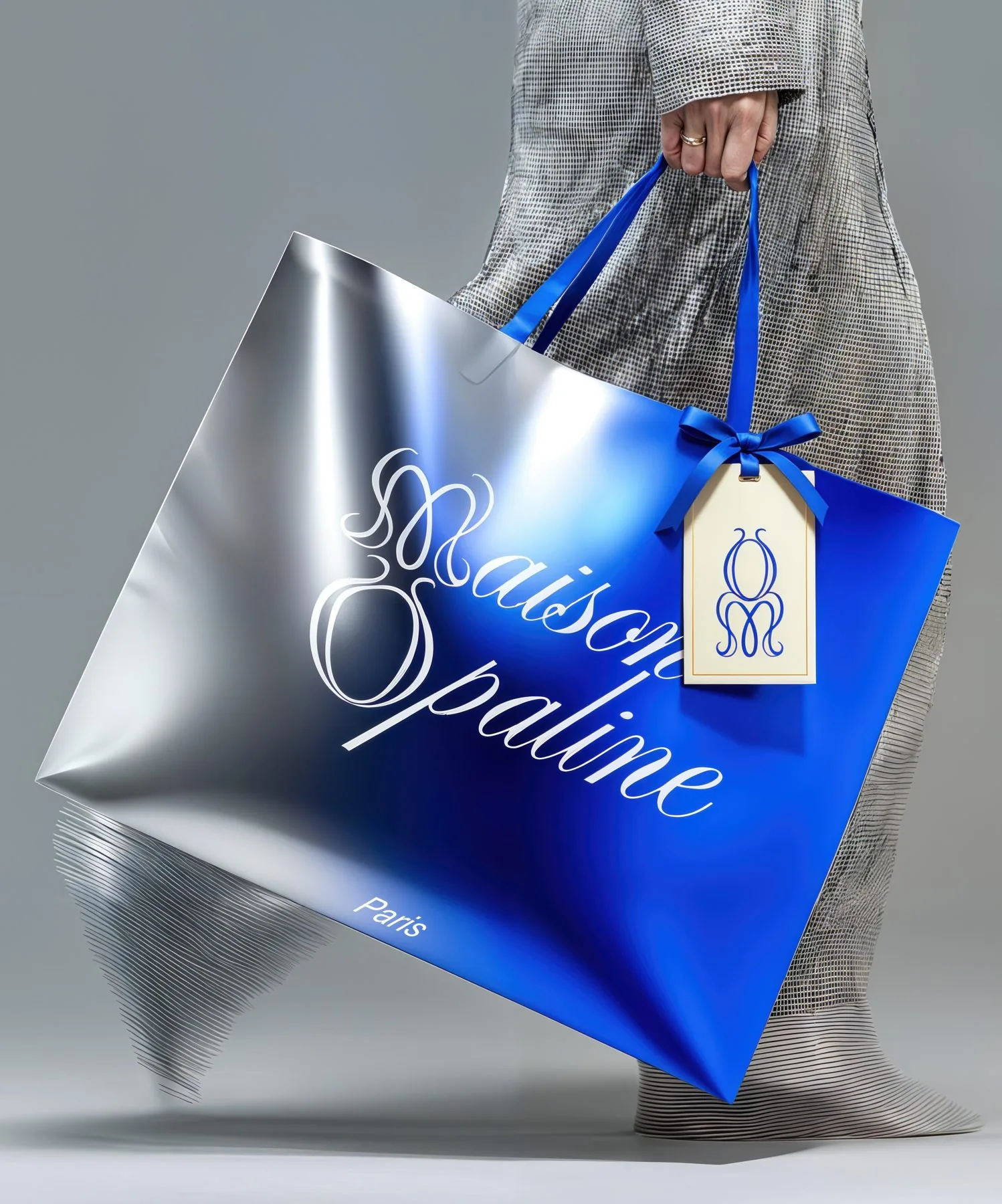
Hands of Zéphir, campaign, 2025

The courseDigital Transformation Management, at LSM. In groups, we play a consulting firm brought in to take a company digital: choose and set up an ERP, automate the flows between tools, measure what it changes for the strategy. The company was ours to invent.
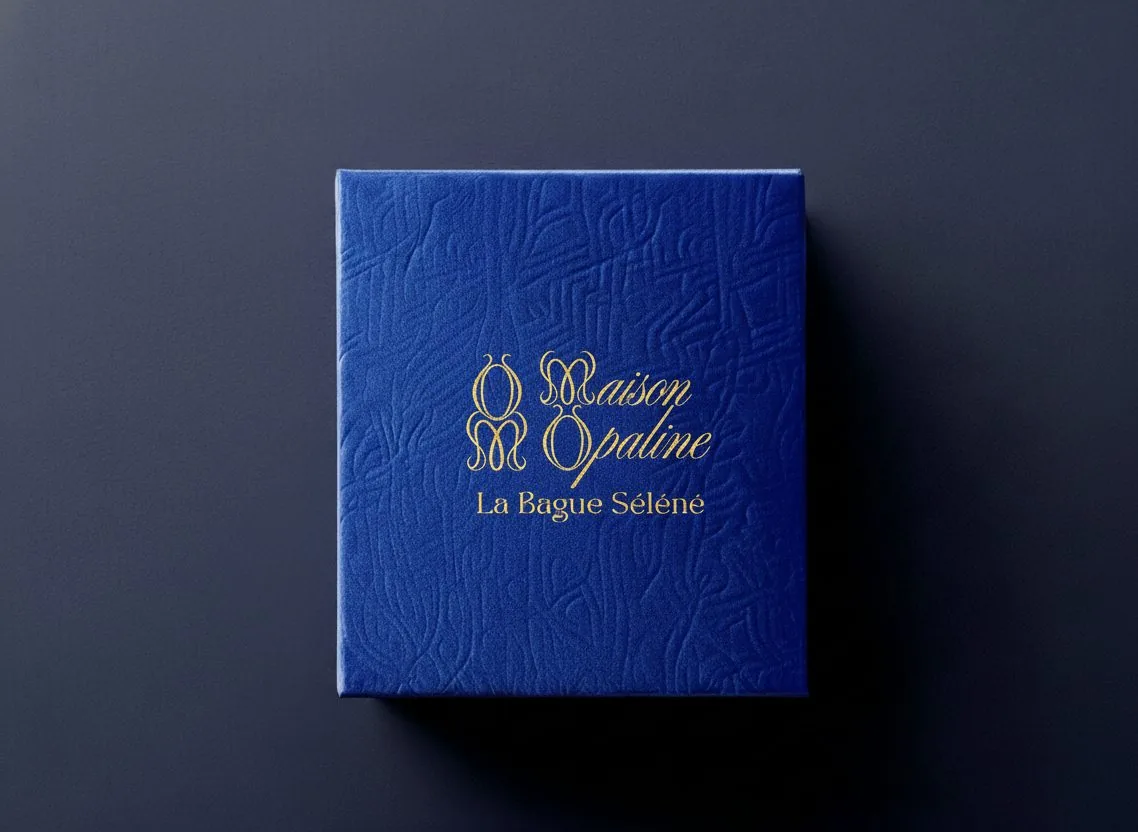
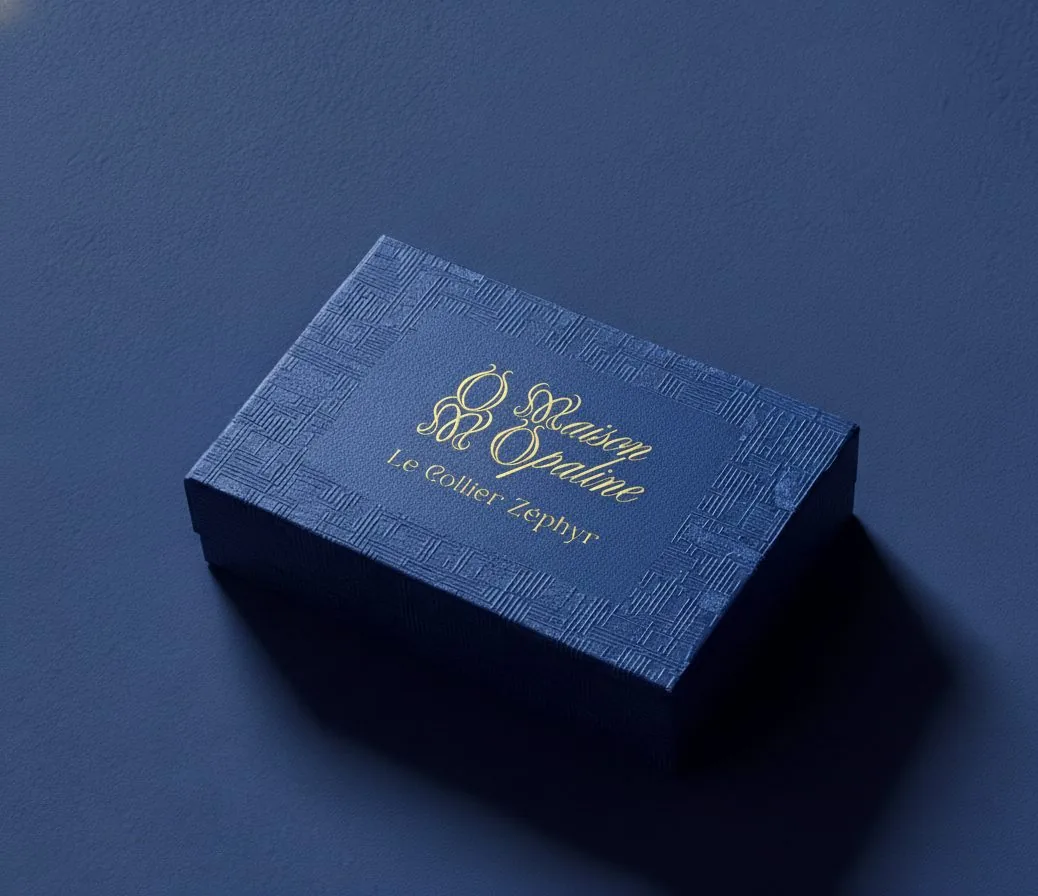
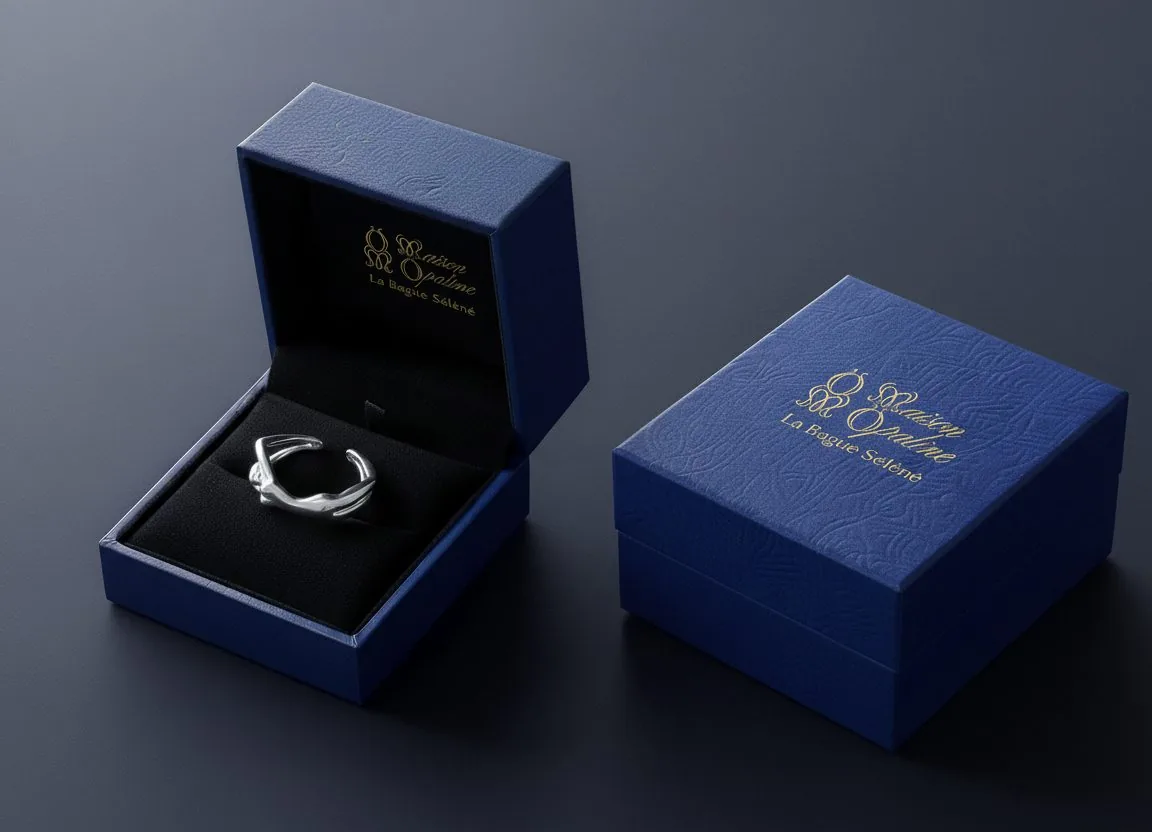
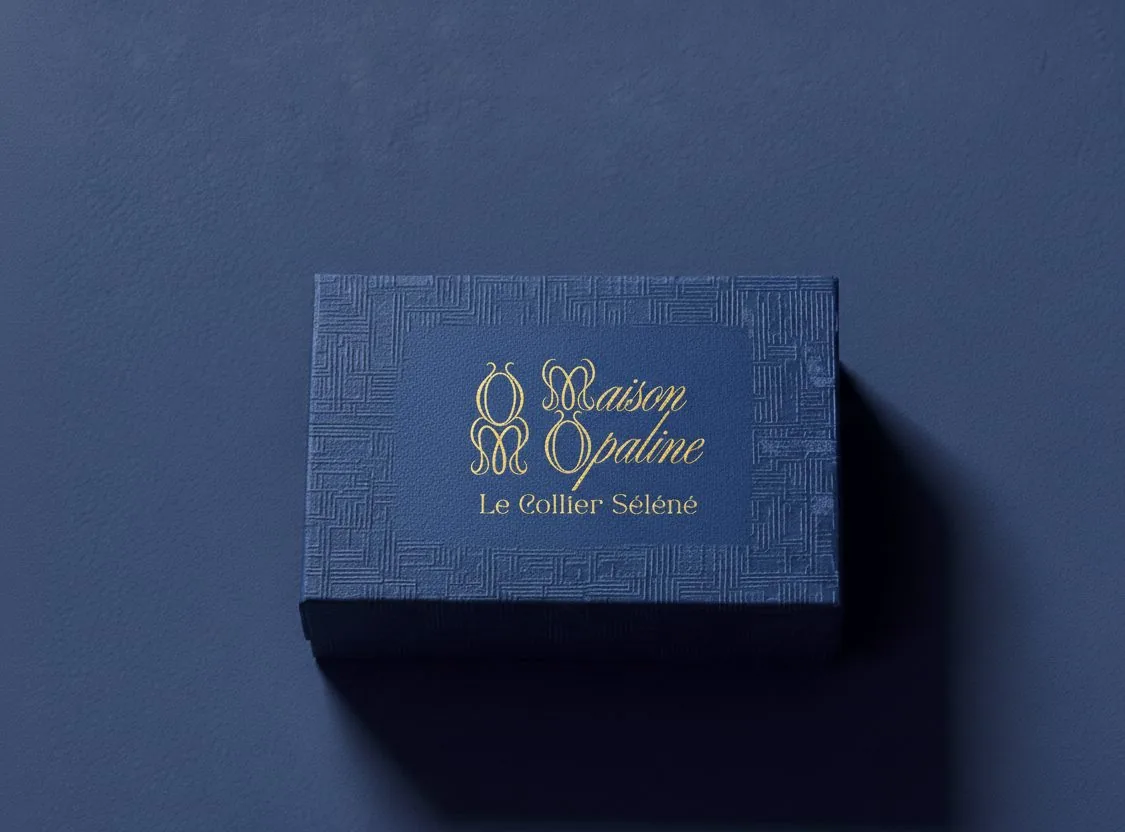
Séléné ring box, 2025

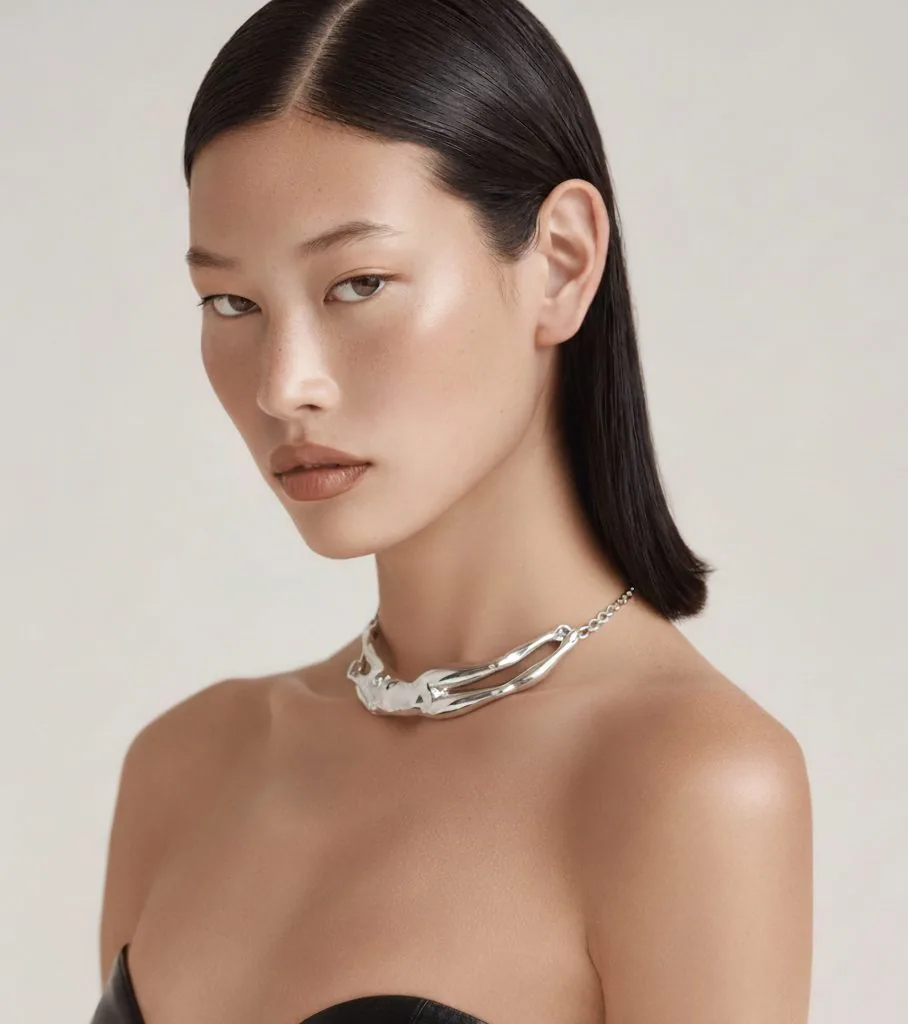
“Jewellery no longer just adorns the body. It borrows its lines.”Maison Opaline

Séléné ring, campaign, 2025
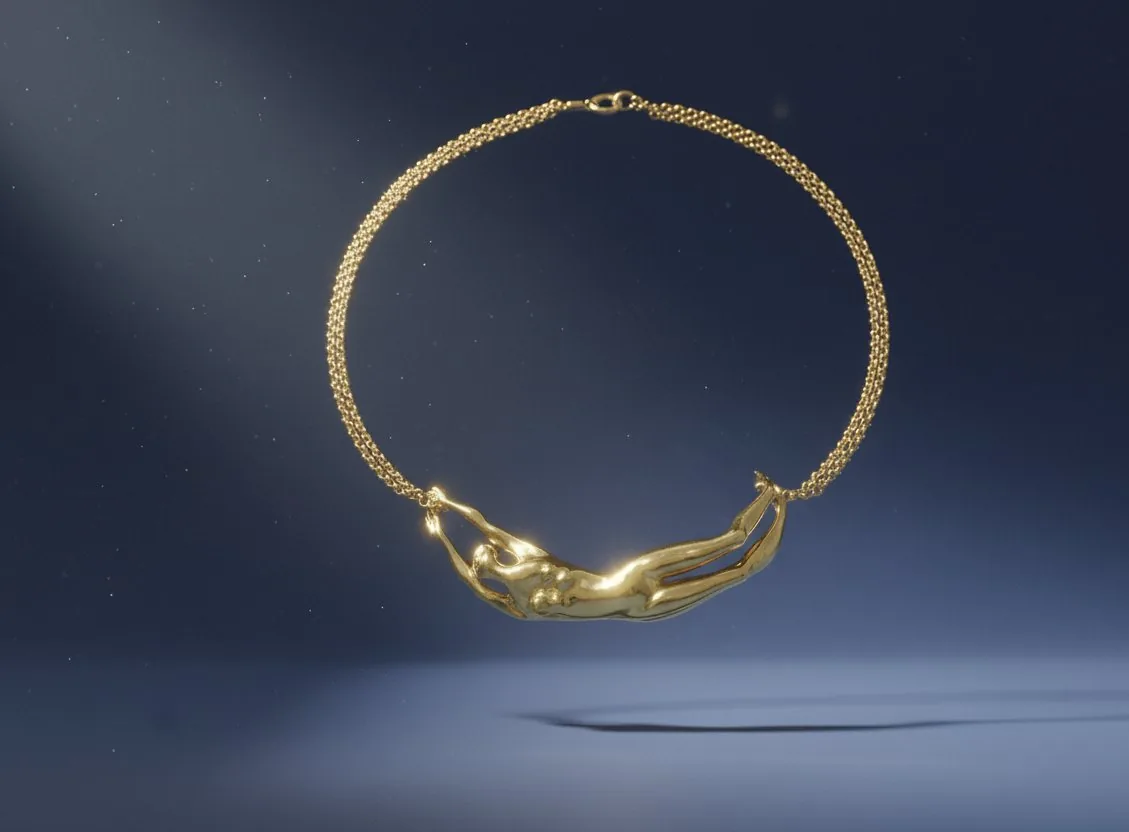
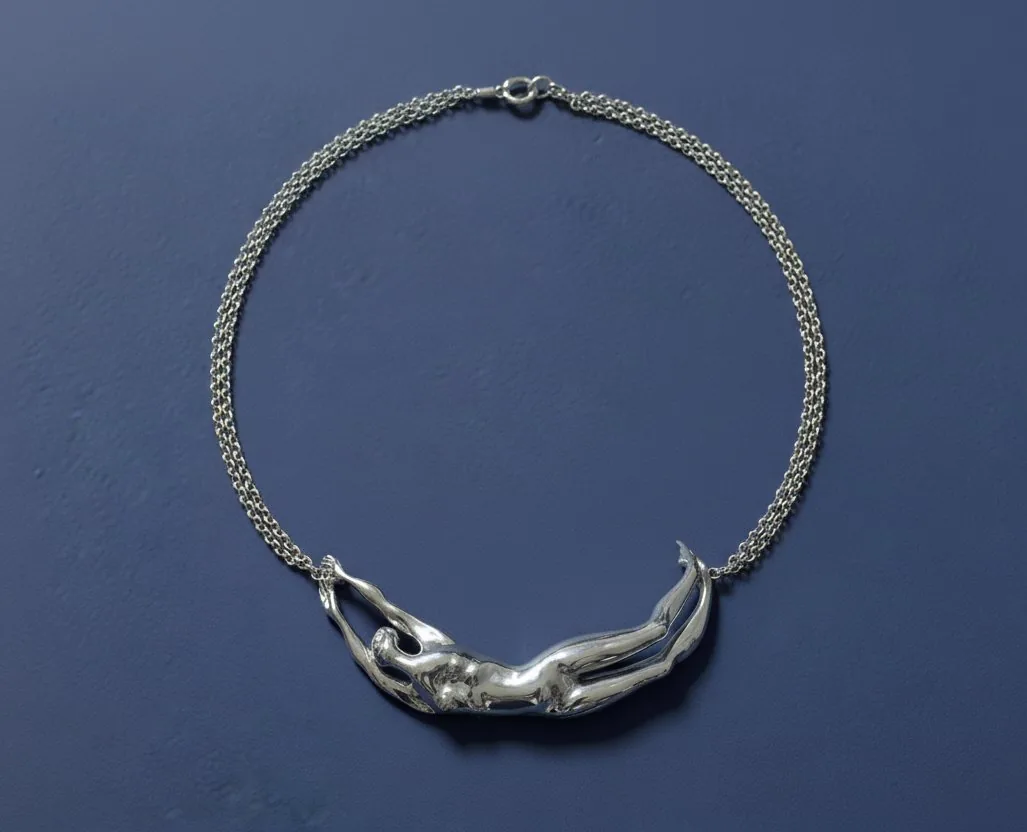
Séléné necklace, 18-carat gold, 2025

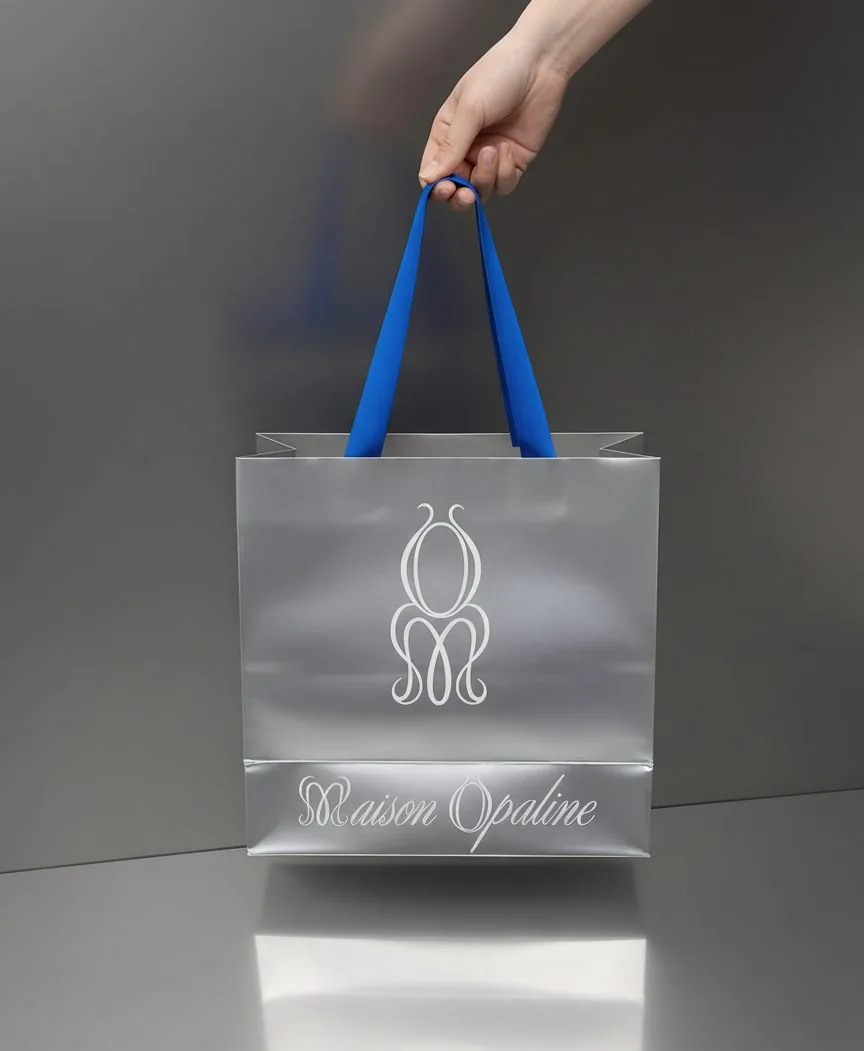
Everything had to be invented, from the first sketch to the online shop.

Fictional house. Visuals generated with AI, then reworked. Shop and ERP: prototypes, not deployed. ERP set up by four teammates.

On this project, I took on five roles.

  • Positioning the house

    Benchmark, supplier sourcing
  • Designing the identity

    Art direction, brand identity
  • Producing every visual

    Packshots, campaign, film
  • Directing the site’s look

    Visual direction of the website
  • Linking tools to the CRM

    Zapier, Google Sheets, automation
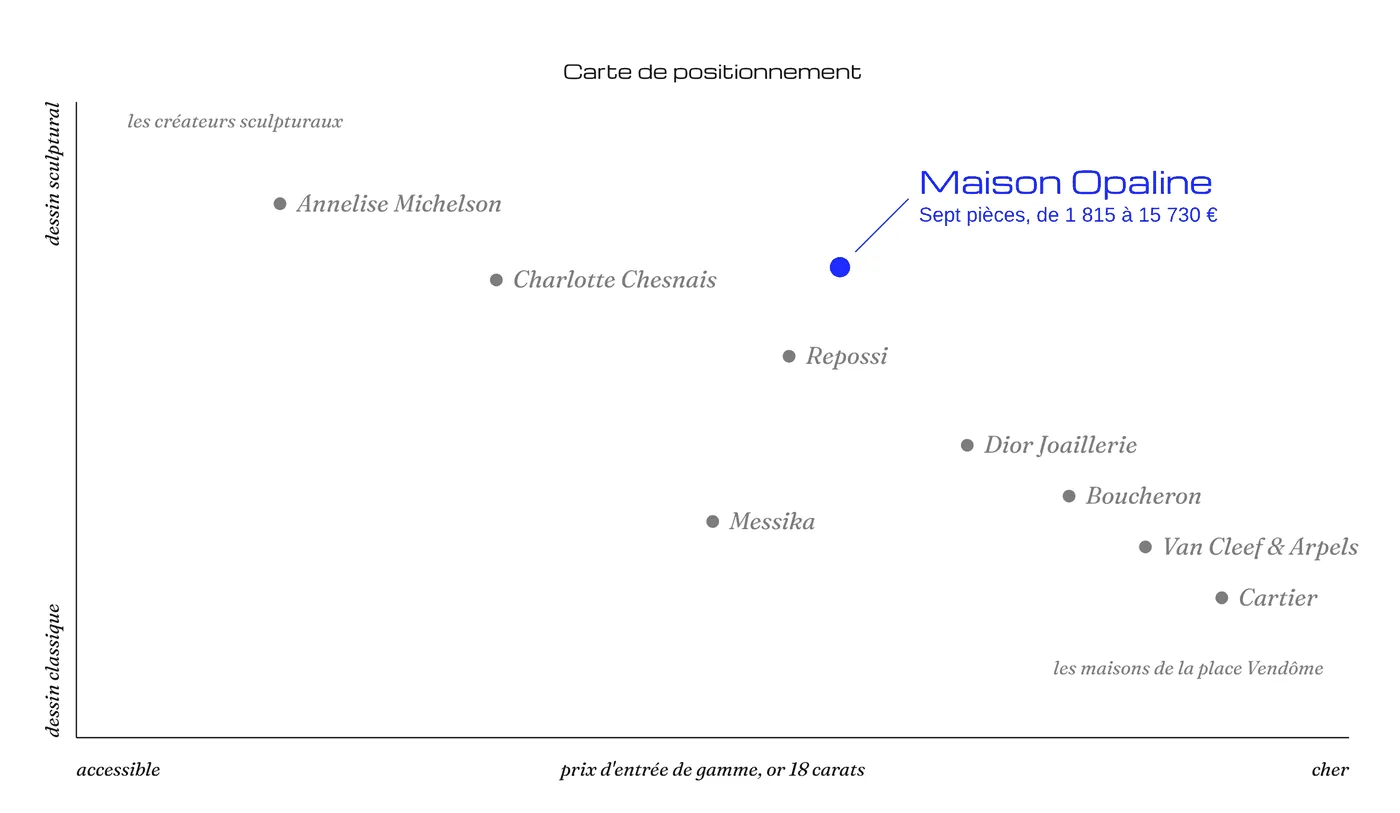
Positioning map
Campaign visual
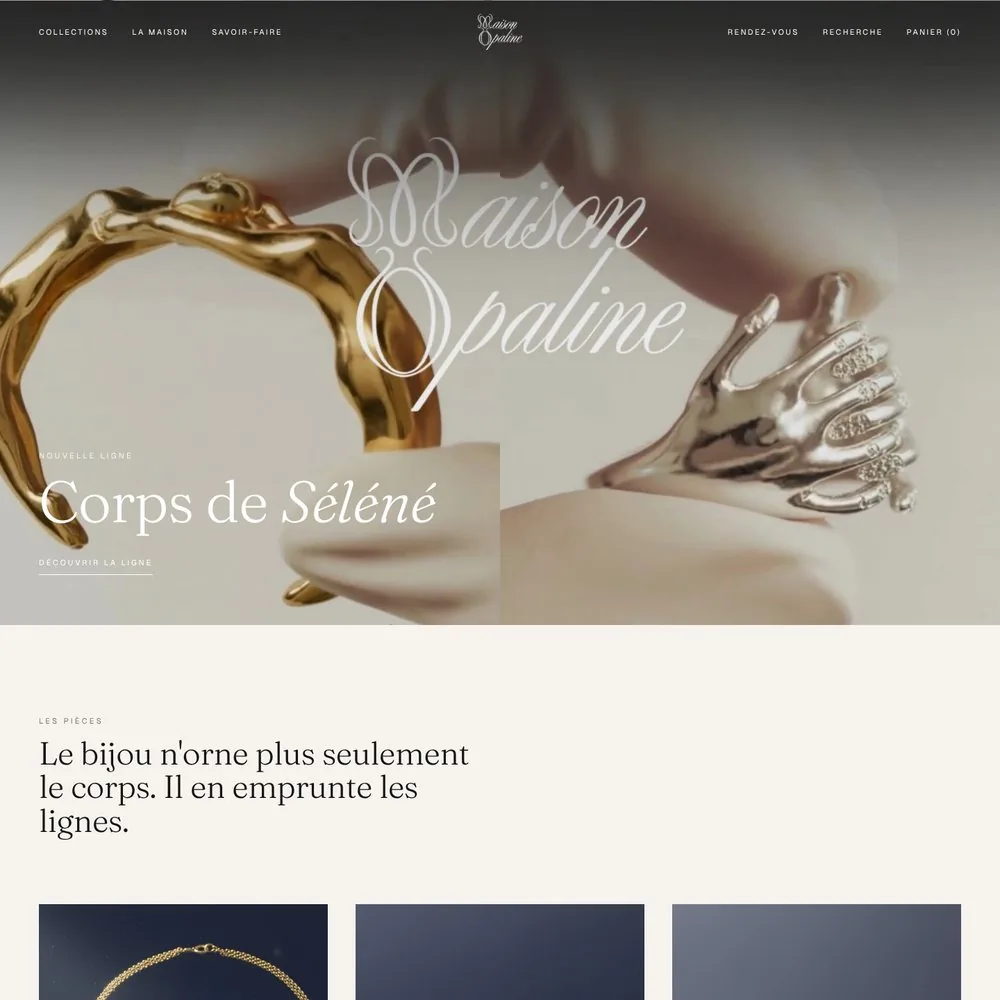
Home page, mock-up
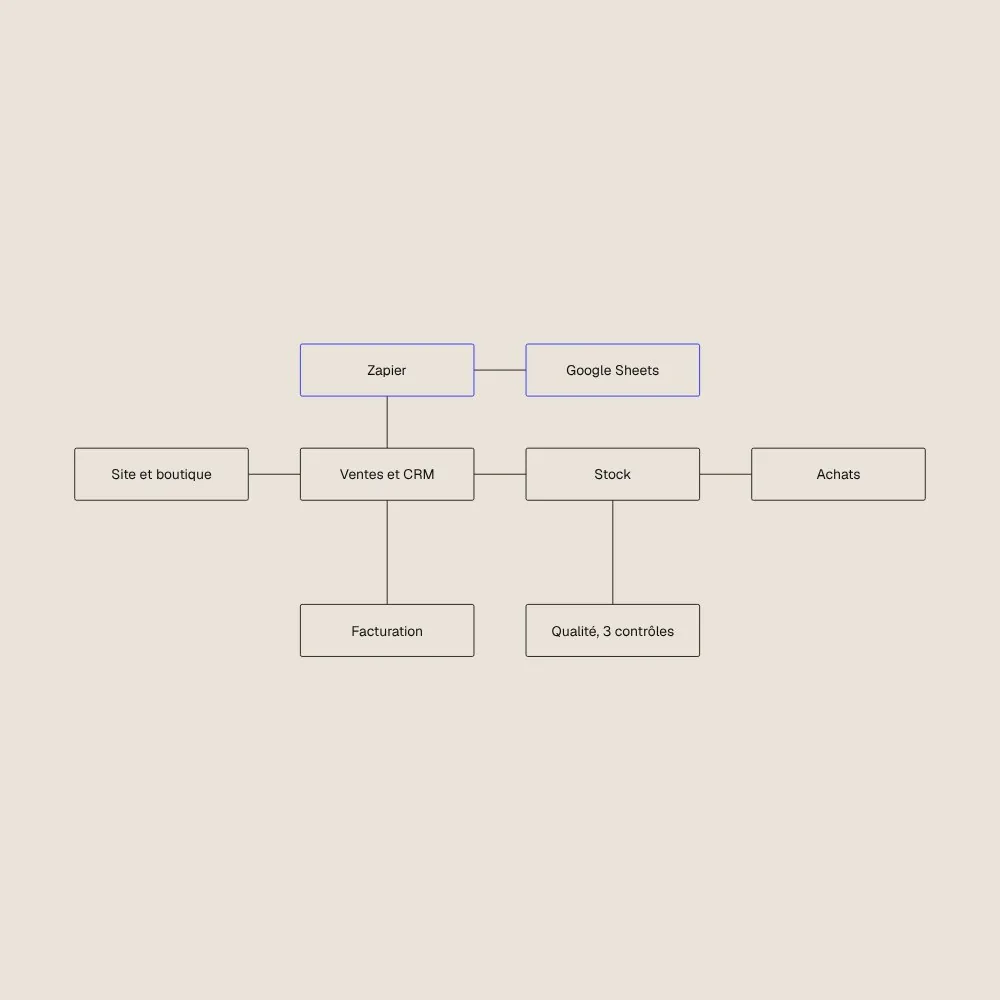
Flow diagram, reconstructed

The bet

As sculptural as a designer, as precious as a house.

Independent designers have the design; the Place Vendôme houses have the materials and the price. Opaline takes the design from the first and the materials from the second: seven pieces in recycled 18-carat gold and palladium, from €1,815 to €15,730.

Positioning mapaccessibleexpensiveentry price, 18-carat goldclassic designsculptural designCartierVan Cleef & ArpelsBoucheronDior Joailleriethe Place Vendôme housesCharlotte ChesnaisAnnelise Michelsonthe sculptural designersRepossiMessikaMaison OpalineSeven pieces, €1,815 to €15,730

The idea

The body shapes the jewel.

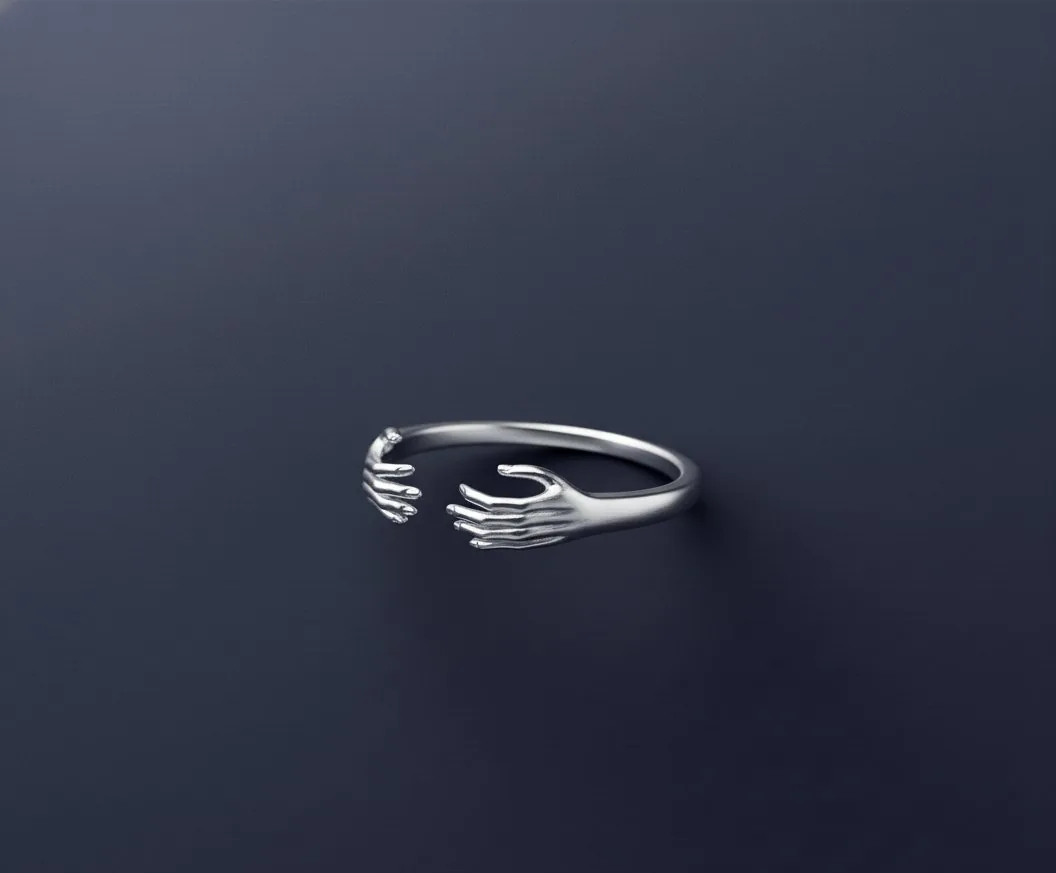
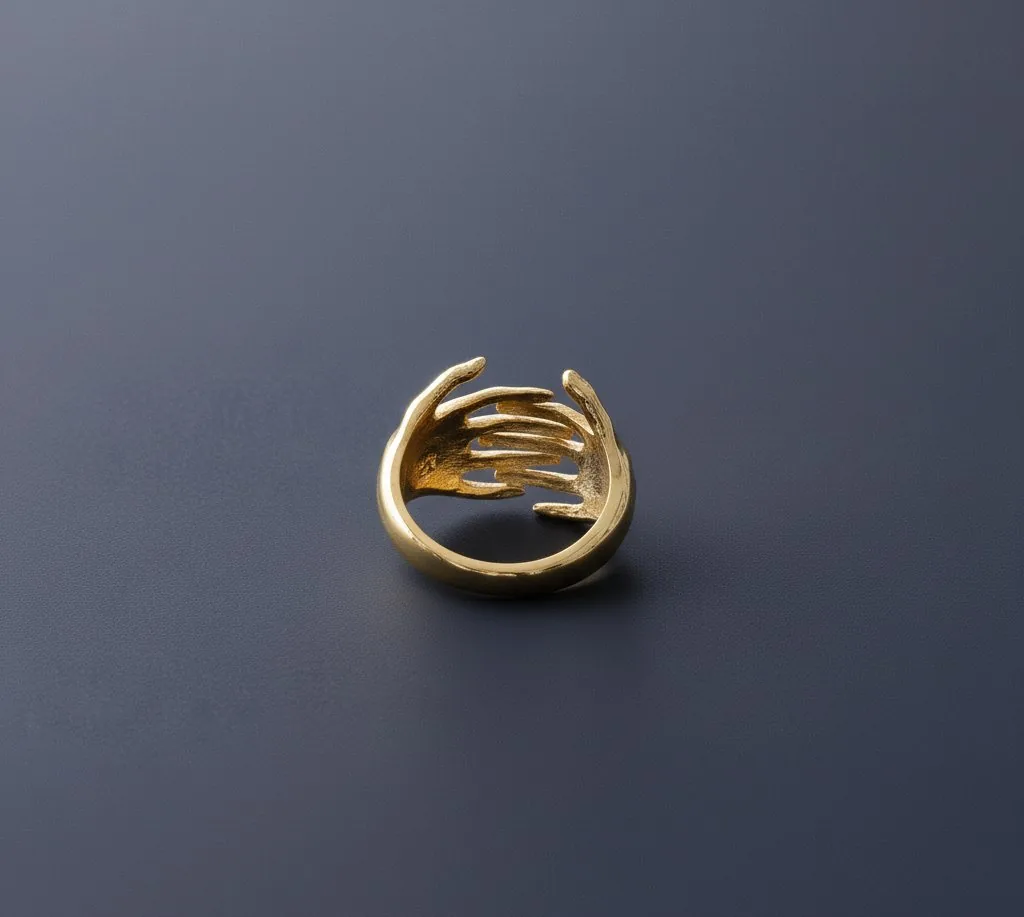
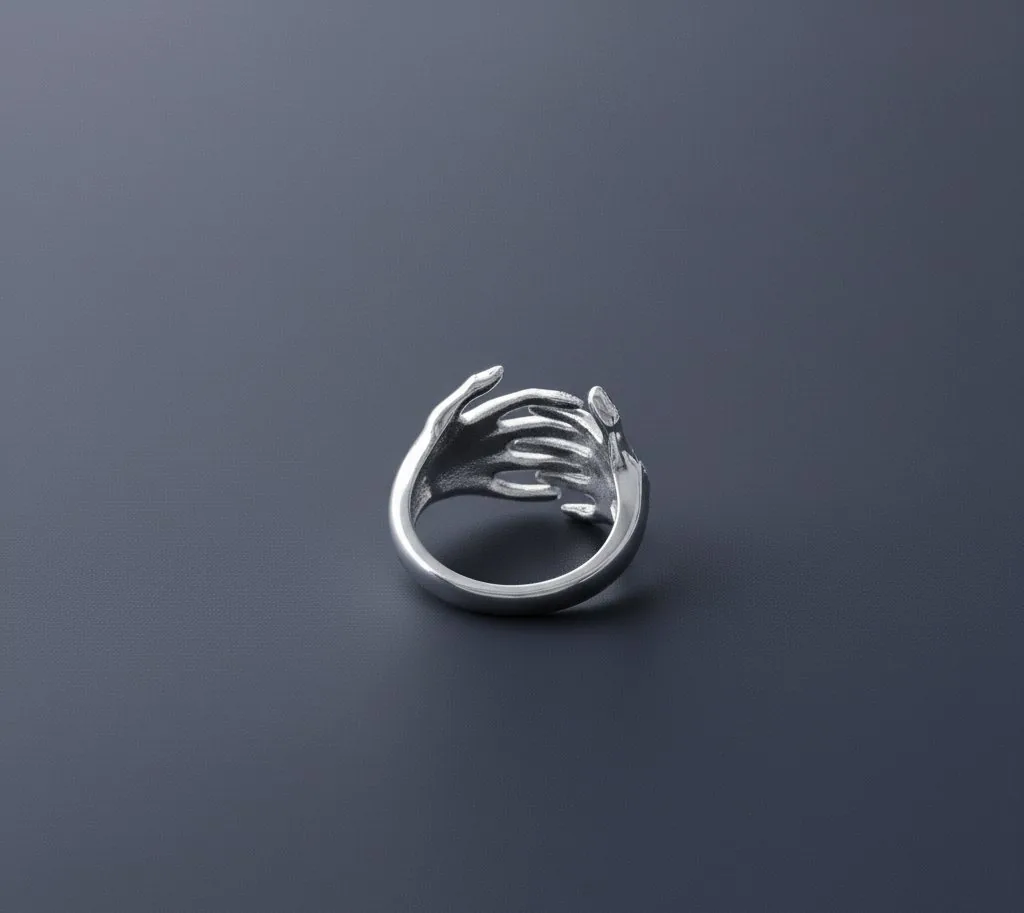
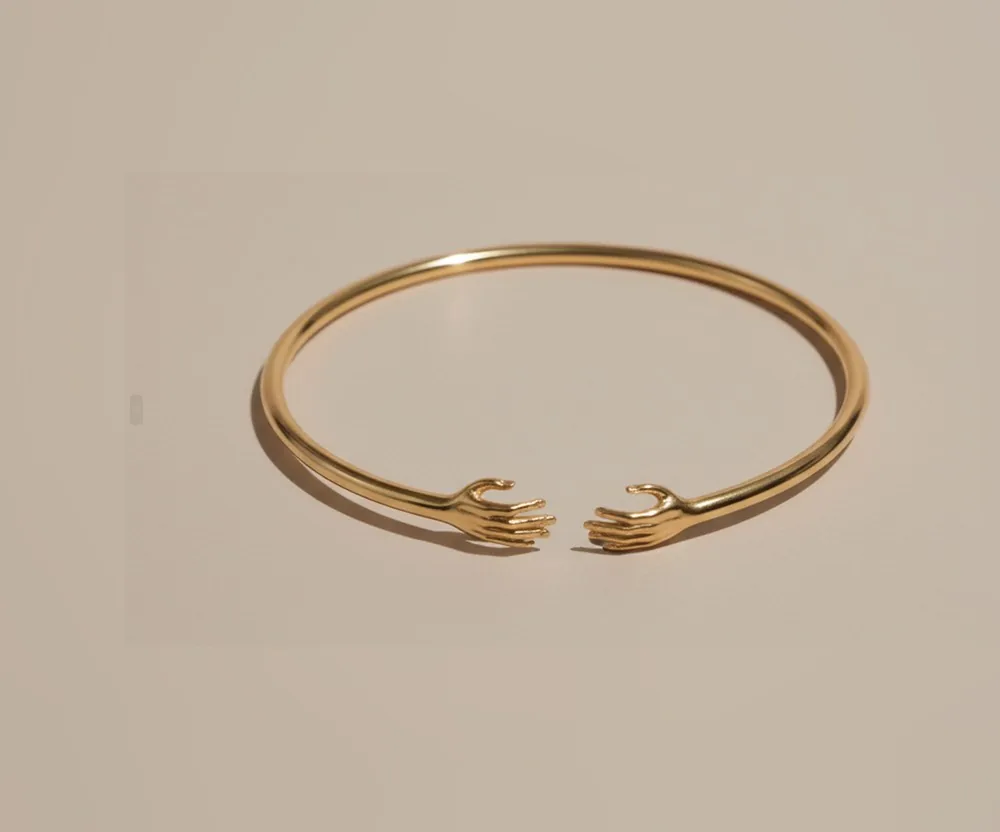
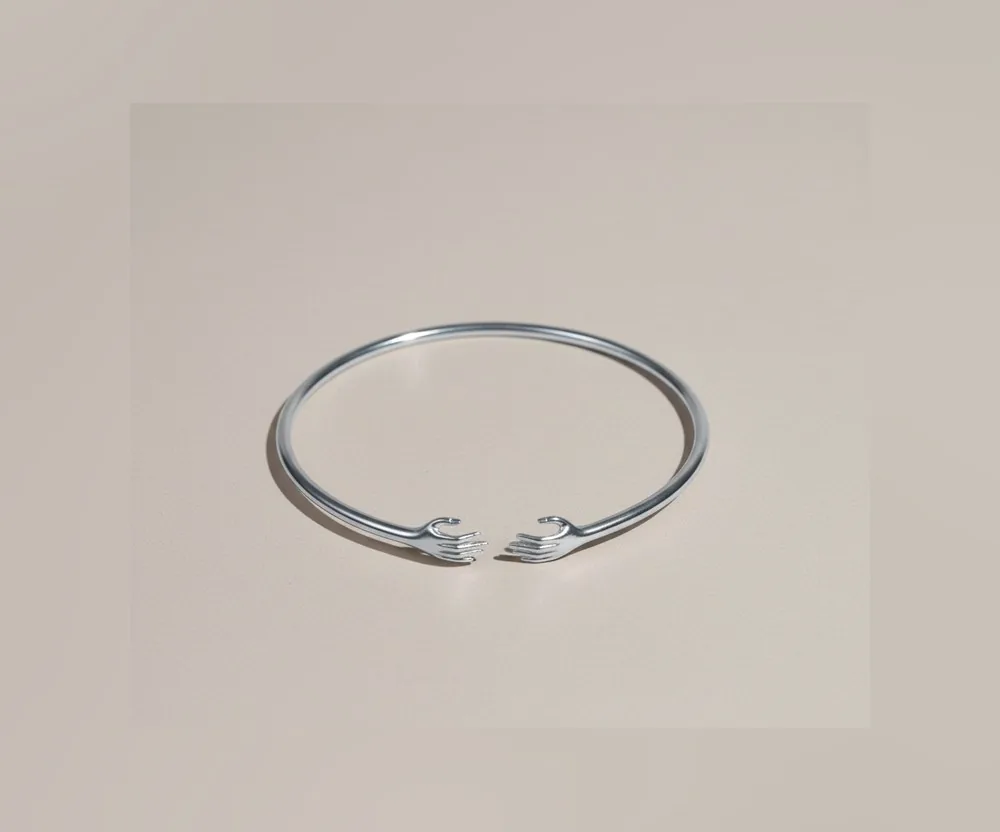
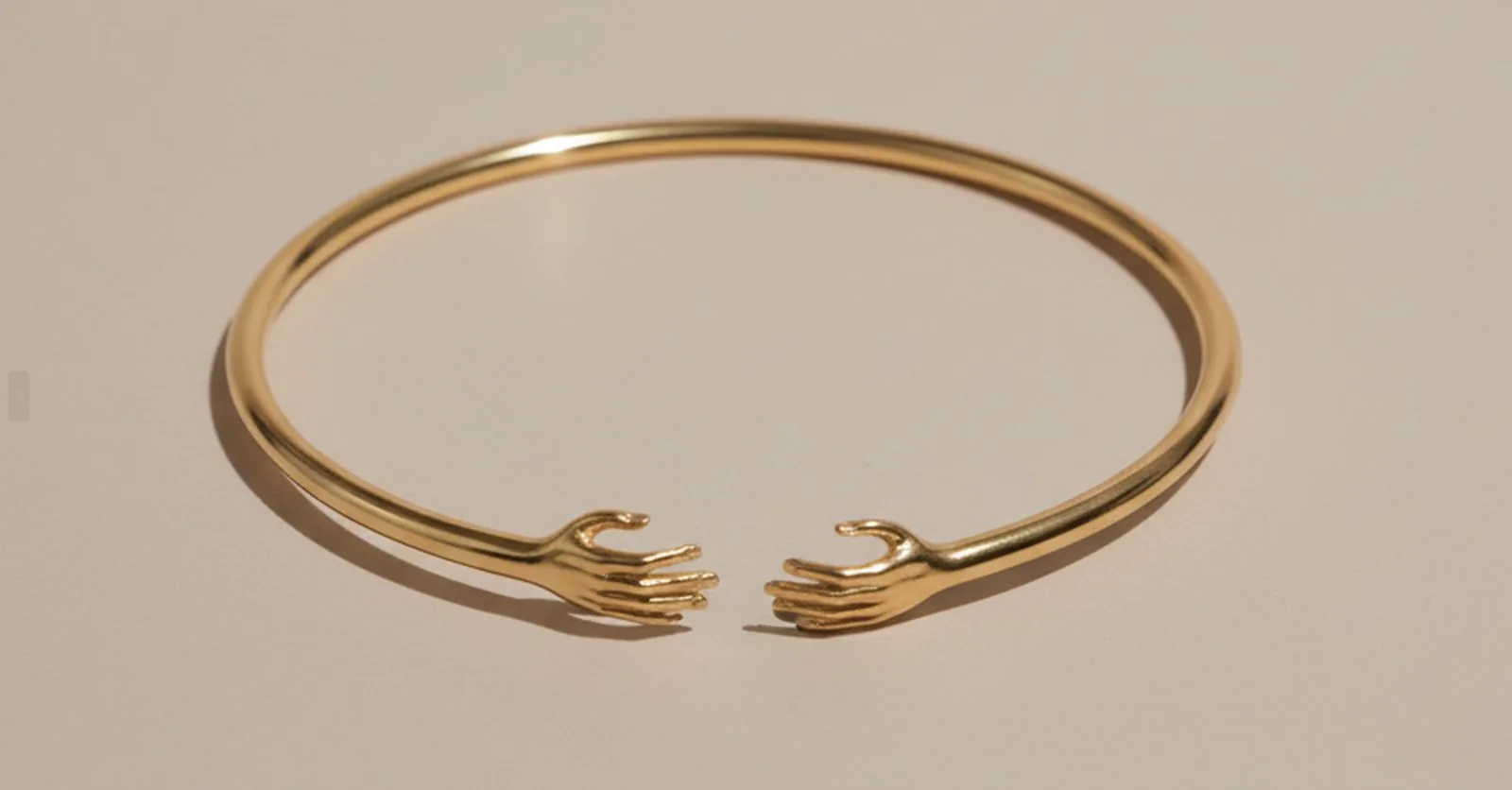
Each line starts from a gesture: hands intertwined for Zéphir, a reclining body for Séléné. The jewel is no longer an ornament set on the body; it takes on one of its shapes.
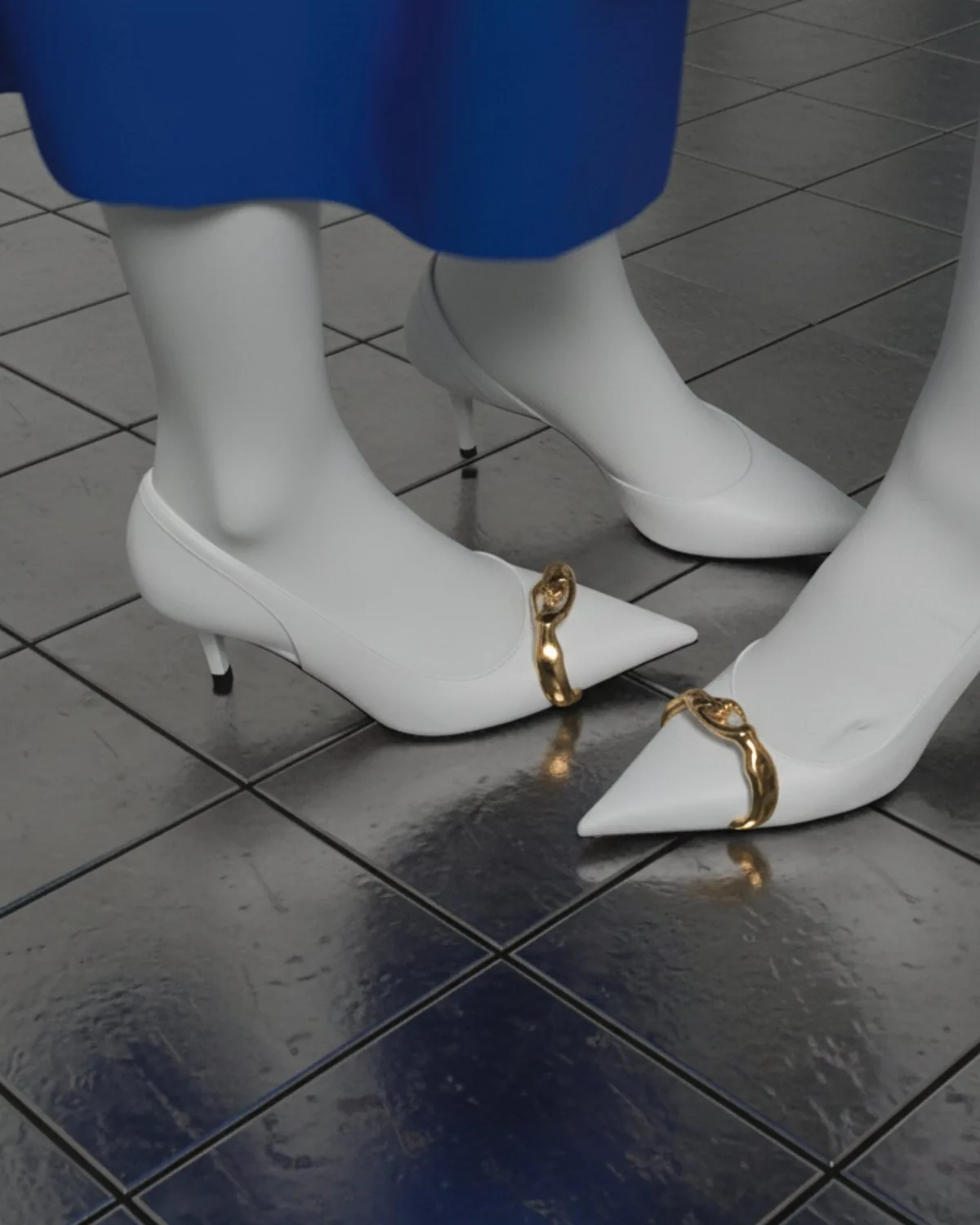

A gold piece styled on a pair of court shoes
The Séléné ring, worn
The Zéphir bracelet, worn

The collection

Seven pieces, two lines and an icon.

One piece per gesture, in recycled 18-carat gold or palladium 950.
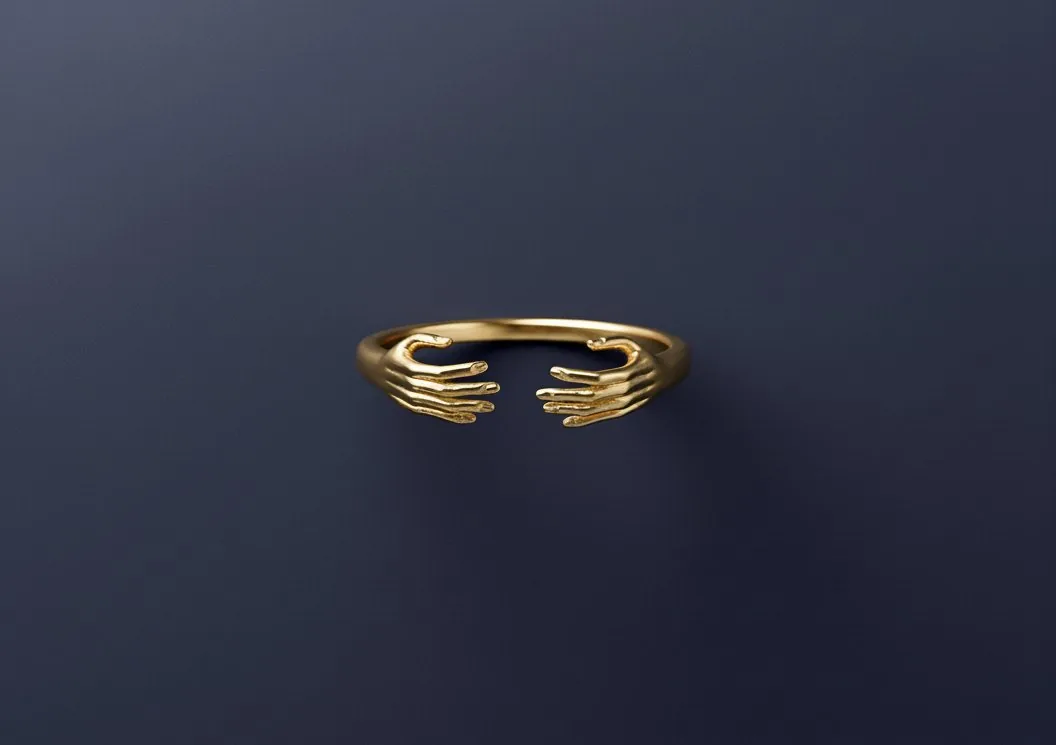
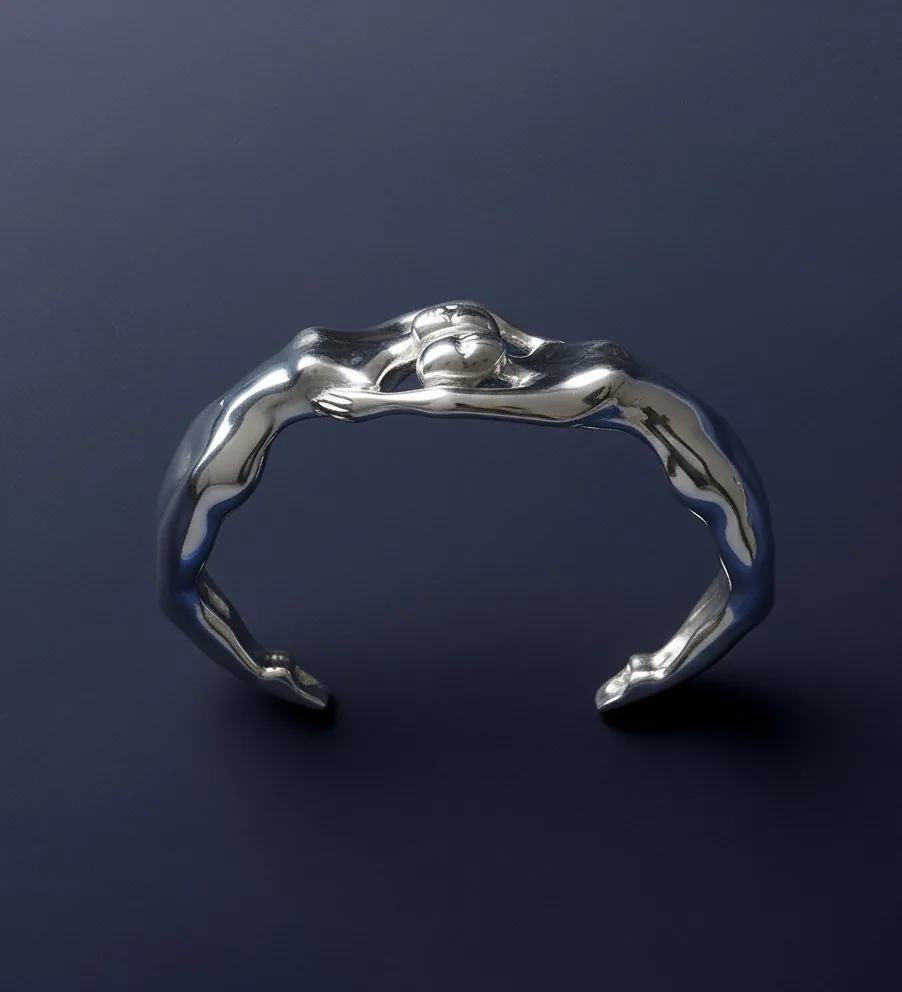
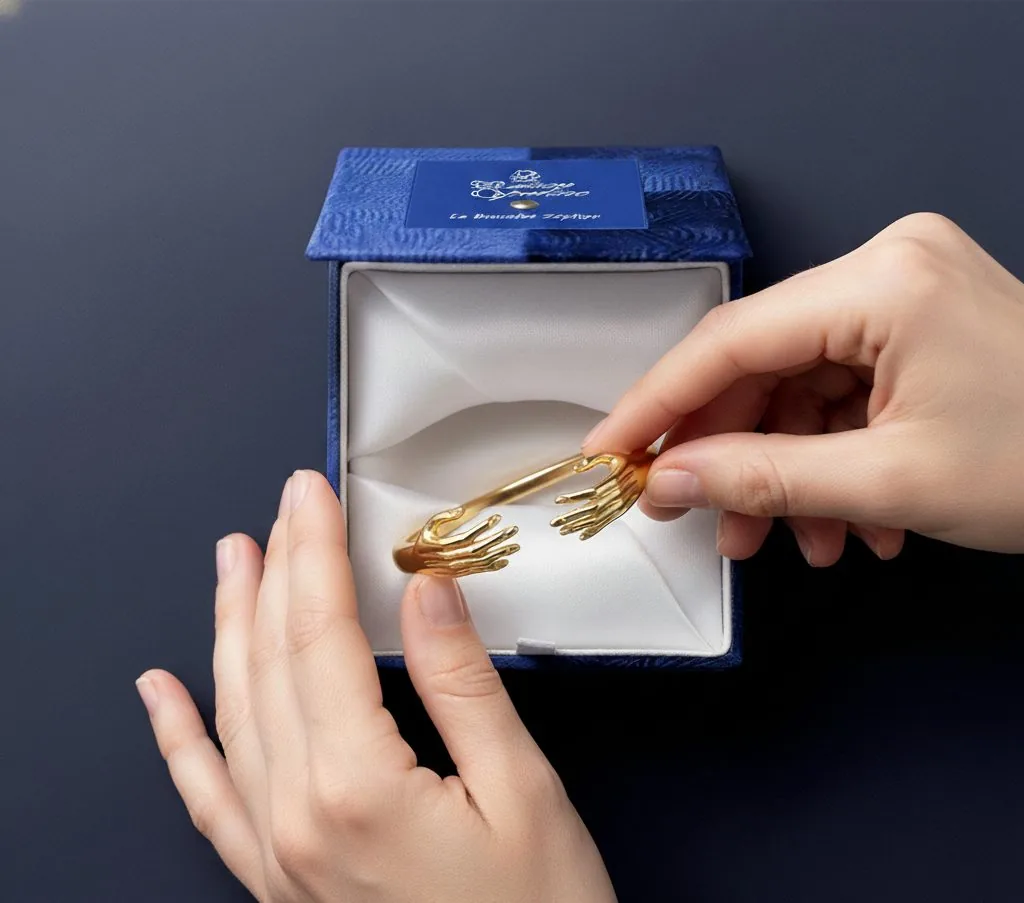
Zéphir bracelet
Zéphir braceletHands of Zéphir
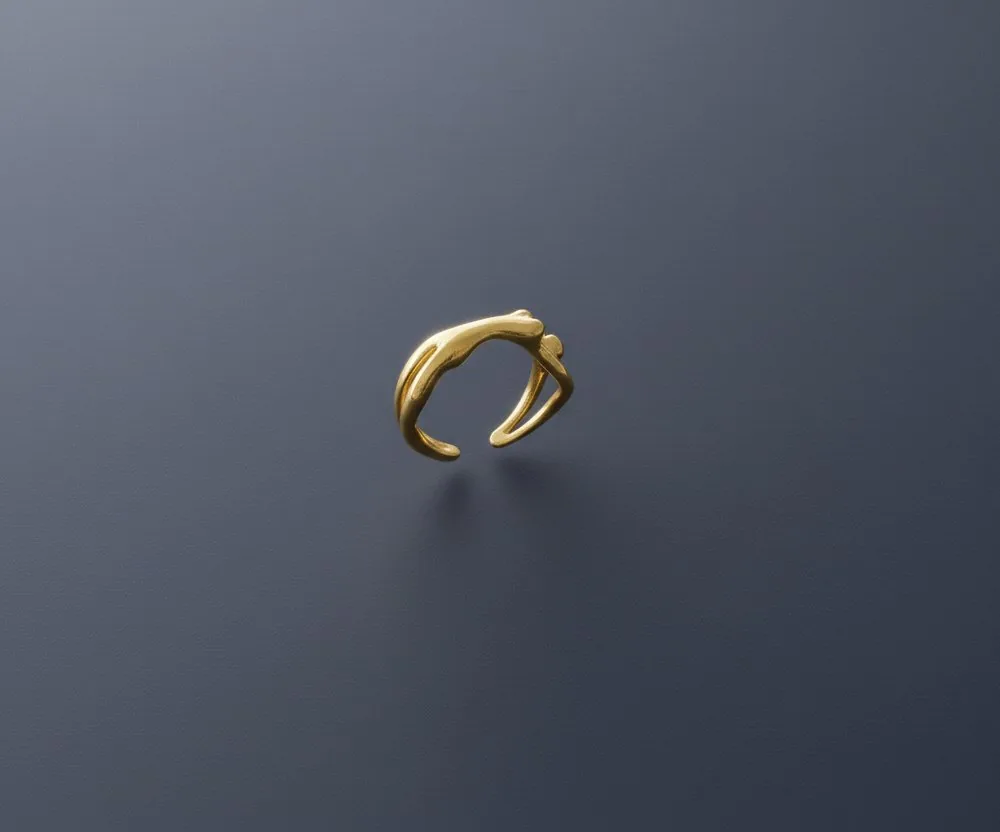
Zéphir ring
Zéphir ringHands of Zéphir
Zéphir necklace
Zéphir necklaceHands of Zéphir
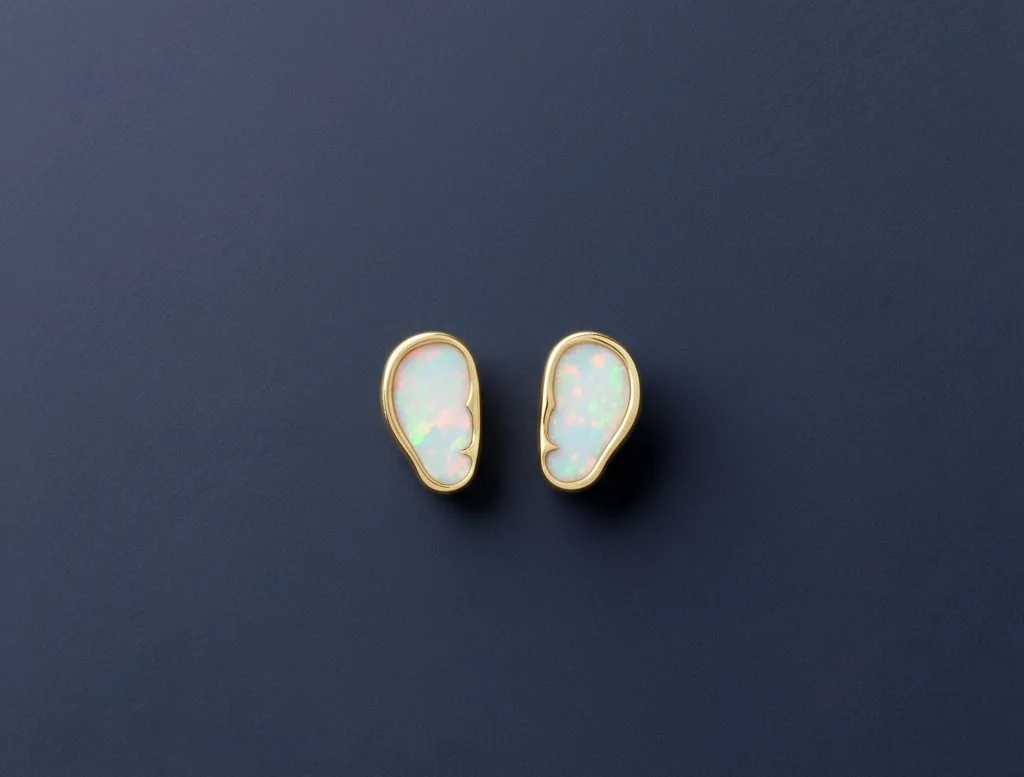
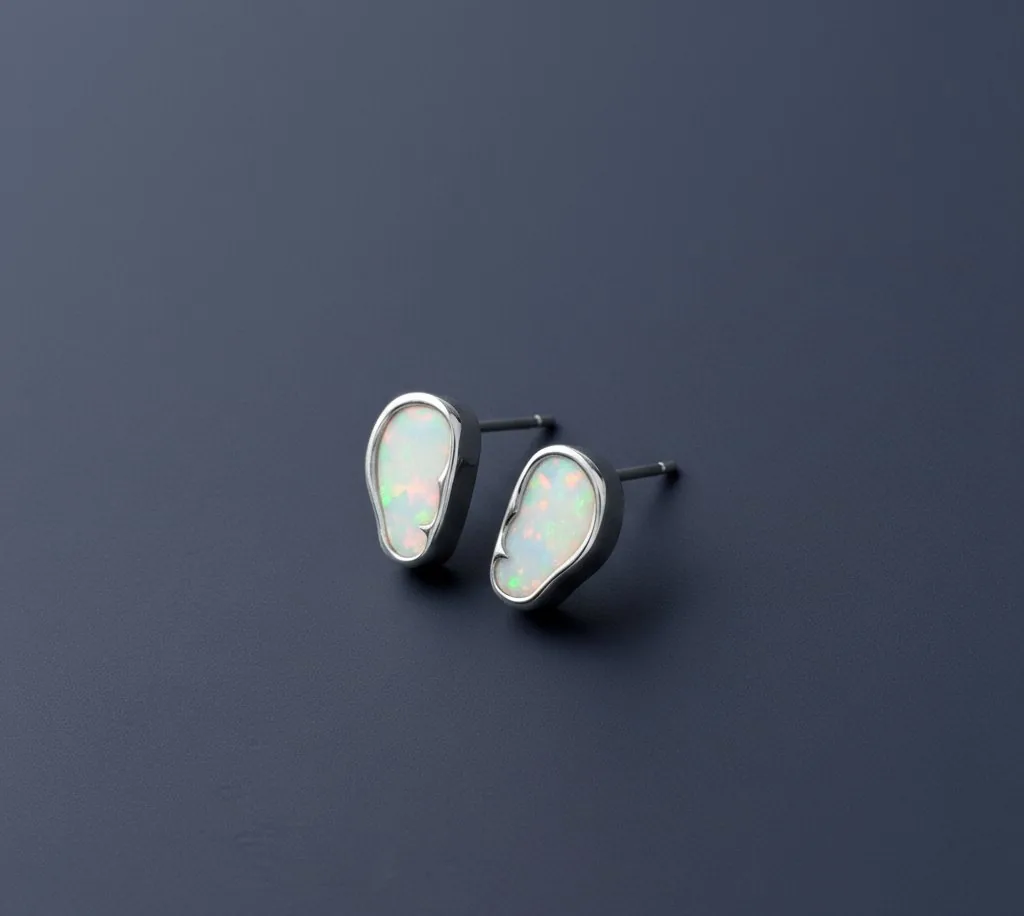
Opaline earrings
Opaline earringsIcon piece, opal
Séléné bracelet
Séléné braceletBody of Séléné
Séléné ring
Séléné ringBody of Séléné
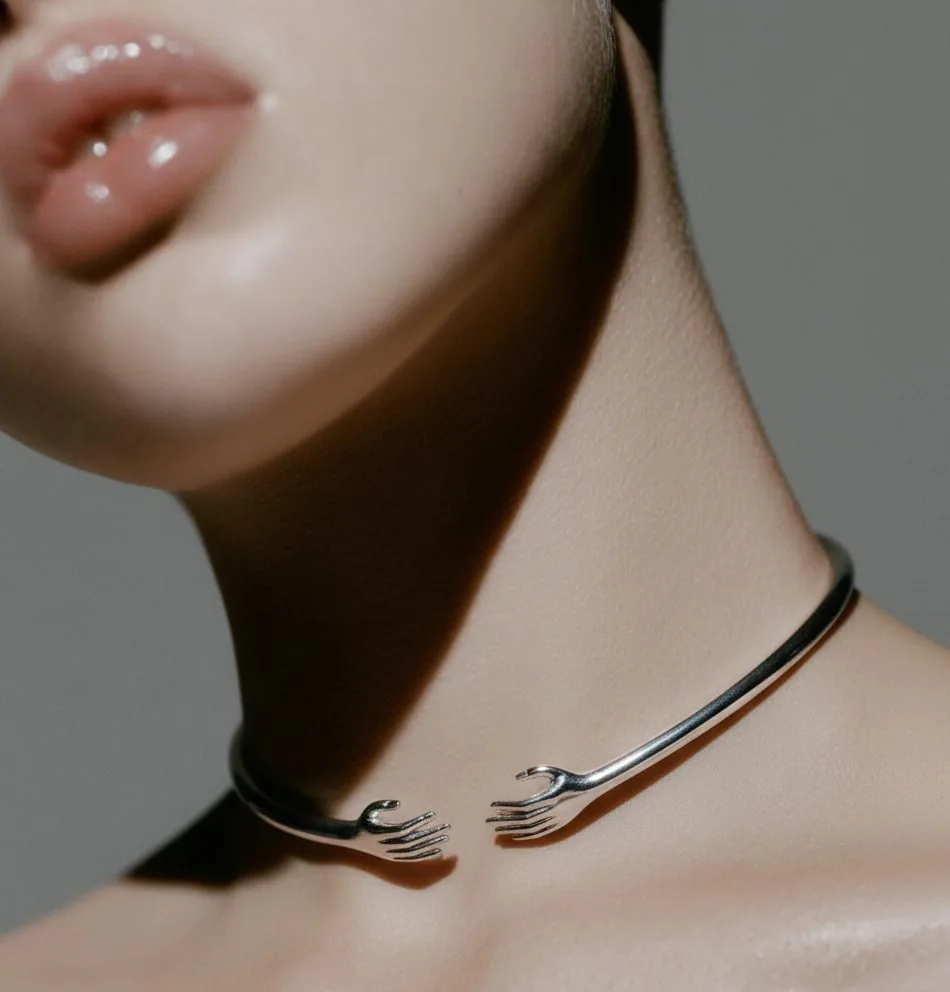
Séléné necklace
Séléné necklaceBody of Séléné

The making

Generated, then reworked by hand.

No model, no photographer, no workshop: a chain of tools, and a correction at every step.

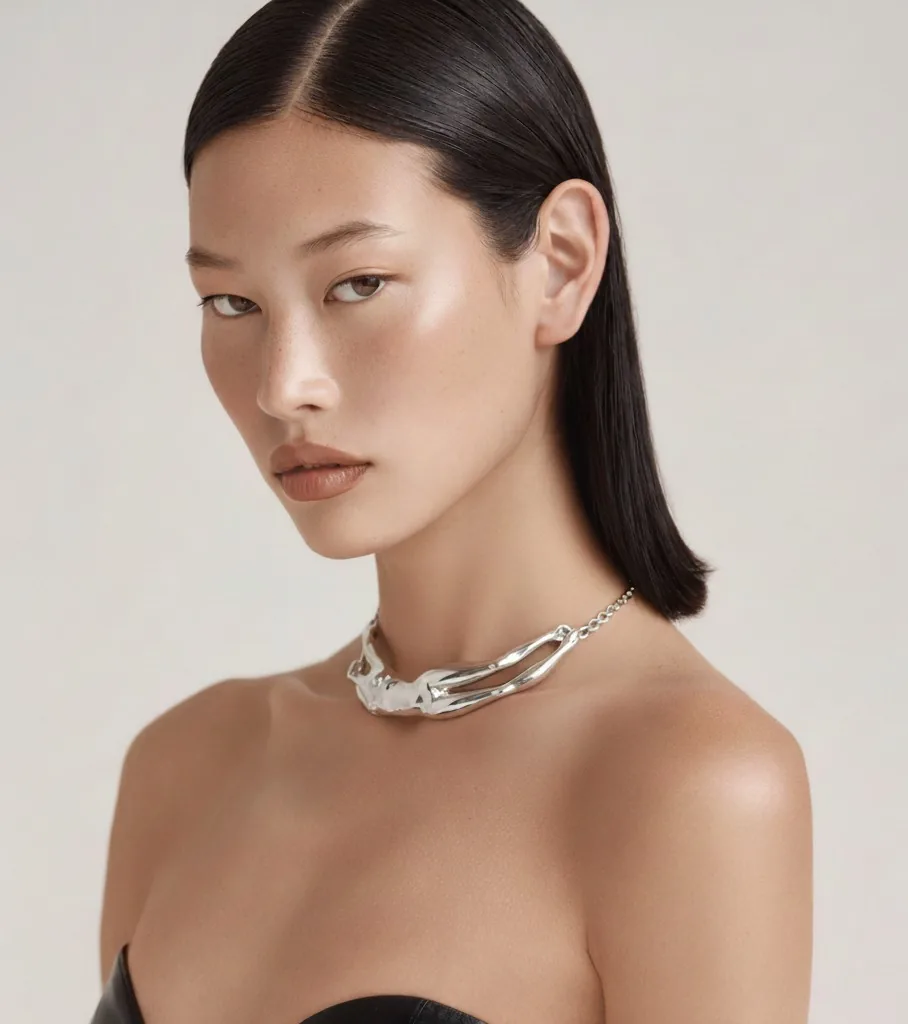
One example: the Séléné necklace, in palladium

1. The raw shot

Midjourney, with a precise prompt on light, framing and skin tone. The necklace is a stand-in until the real one arrives.

2. The piece

The Séléné necklace, generated separately as a studio packshot. Every other image refers back to this one.

3. The final shot

Nano Banana places the Séléné necklace on the model, to scale, leaving everything else untouched. Photoshop corrects the shadow on the skin and the cool reflections of the metal. Krea refines the texture.

Selling

The site shows, the atelier welcomes.

A home page that opens on the film, a shop you can filter by metal, case and price, and a fitting at the Paris atelier, booked straight from the basket. The site creates the desire; the sale happens in person.

The site creates the desire, the atelier closes the sale. Behind it, a system that keeps the promise.

Behind the shop

A shop doesn’t run on its own. Behind it, you need an ERP: the management software that connects everything a company does. Here, Odoo, with seven connected apps, from buying metal from suppliers through to the invoice, by way of stock, quality control, sales and the website.

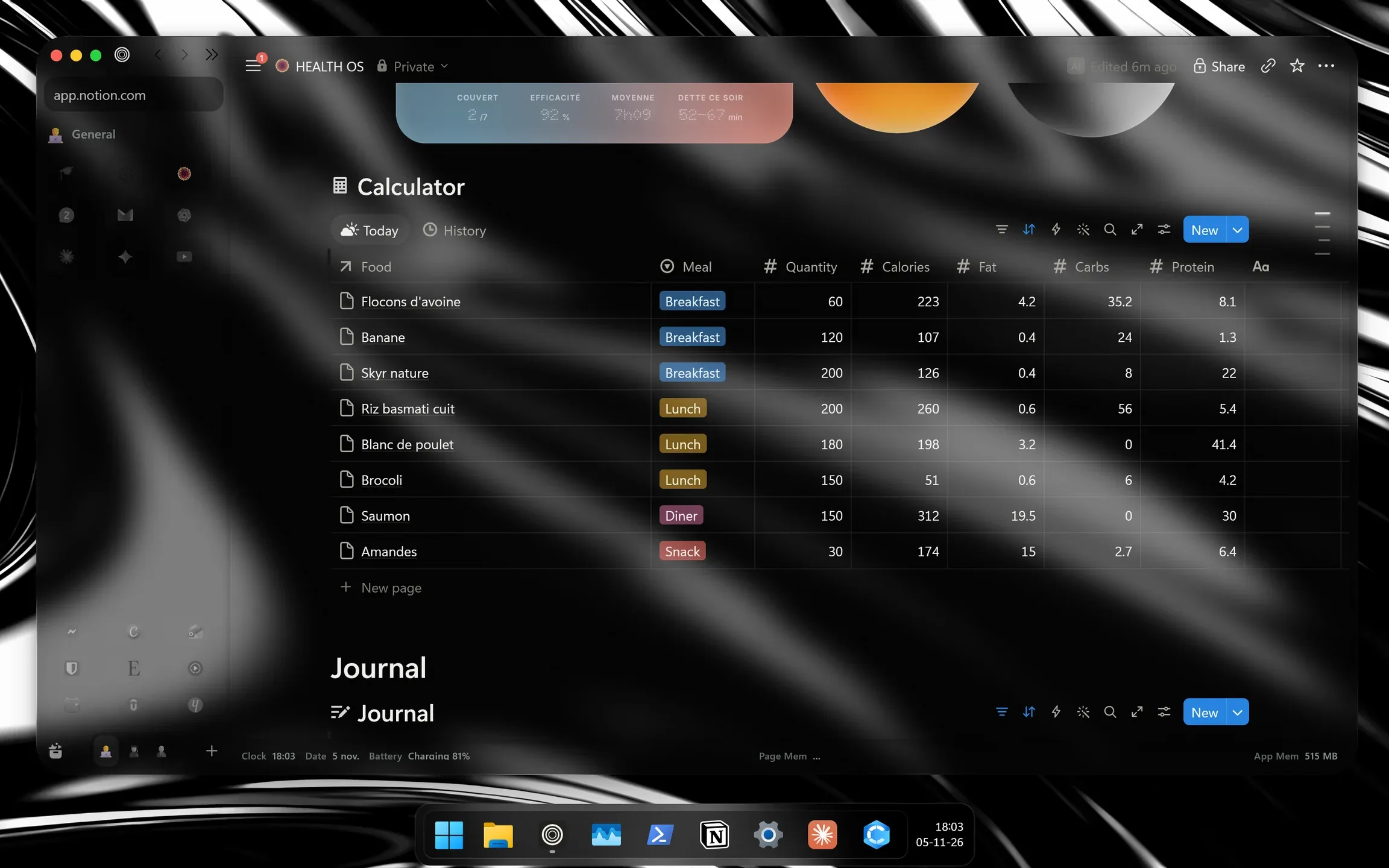
In practice: when a customer orders online, the stock, the order and the invoice update themselves. Every piece goes through three checks, assembly, dimensions and polishing, each logged in the system. And every new lead lands automatically in a sheet shared by the whole team.

The idea: digital doesn’t create a jewellery house’s edge; design and materials do. Digital protects it: deadlines met, accurate information, traceable sourcing.

ERP set up by four teammates; on my side, connecting the tools to the CRM. Prototype, not deployed.

Website and shopSales and CRMStockPurchasingInvoicingQuality, 3 checksZapierGoogle Sheets

Recap

A fictional house, a real method.

The problem

Invent a credible jewellery house from scratch in six weeks, with no budget, no photographer and no workshop, alongside our other courses. And make it sellable: a website, a shop, and the operations behind them.

The decisions

A position between independent designer and Place Vendôme. One design rule, the body shapes the jewel, that holds the whole collection together. Images generated, then corrected by hand at every step. A website that shows, an atelier that sells.

The result

Seven pieces, an identity, a film, a website, a shop and an ERP, prototyped in six weeks. An image method that works without a photographer. A fictional house, and openly so: the next step would be a real piece in hand and real visitors on the site.
Three months of consulting for a non-profit in the health sector, then a website, on my own initiative.

Context
Consulting Project, Louvain School of Management
Client
Association X Fragile Belgique, non-profit
Role
Consultant in a team of four; website on my own
Period
September to December 2025

Louvain School of Management, 2025

3months
of consulting

A full consulting assignment for a non-profit: an audit of the organisation, its governance and its funding, qualitative research with families, then a prioritised action plan, presented to its management.

The programme

The Louvain School of Management’s Consulting Project gives teams of four to six master’s students a real problem, submitted by a company or an organisation, with two presentations to the client. Each team is followed by an experienced coach from consulting, banking or academia; ours was supervised by a consultant from McKinsey & Company.

30years
of history

The client

Association X Fragile Belgique, a non-profit founded in 1995, supports people with fragile X syndrome and their families. This genetic syndrome is the leading inherited cause of intellectual disability; around a thousand people are affected in Belgium, half of them undiagnosed.

The brief

Two parts. Extend, through qualitative research, the quantitative survey the association had run among its members in 2024. And take an outside look at the association itself: its governance, its funding, its communication. The aim: concrete recommendations, scaled to an organisation of its size.

The approach

From diagnosis to action plan, in four steps.

01

Audit

A review of the organisation: governance, sources of funding, communication and website, based on the association’s documents and conversations with its management.

02

Listen

Qualitative research: a semi-structured interview guide covering fourteen themes, in-depth interviews with families, conducted in pairs, and input from health professionals.

03

Analyse

The qualitative findings cross-checked against the 2024 survey data and a literature review, to bring out the priority needs.

04

Prioritise

Each recommendation placed on McKinsey & Company’s impact / feasibility matrix, to separate quick wins from longer-term work, then grouped into five areas: administrative procedures, awareness, governance, funding, website.

“Together, we go further!”The association’s motto

A report and an action plan in five areas, ranked by impact and feasibility, presented to the association’s management in December 2025.

On this project, four roles.

  • Auditing the organisation

    As a team: governance, funding, communication
  • Conducting the qualitative research

    Interviews with families, in pairs
  • Recommending and prioritising

    As a team, through to the final presentation
  • Designing the website

    Personal initiative, beyond the brief

The website

Reassure, guide, connect.

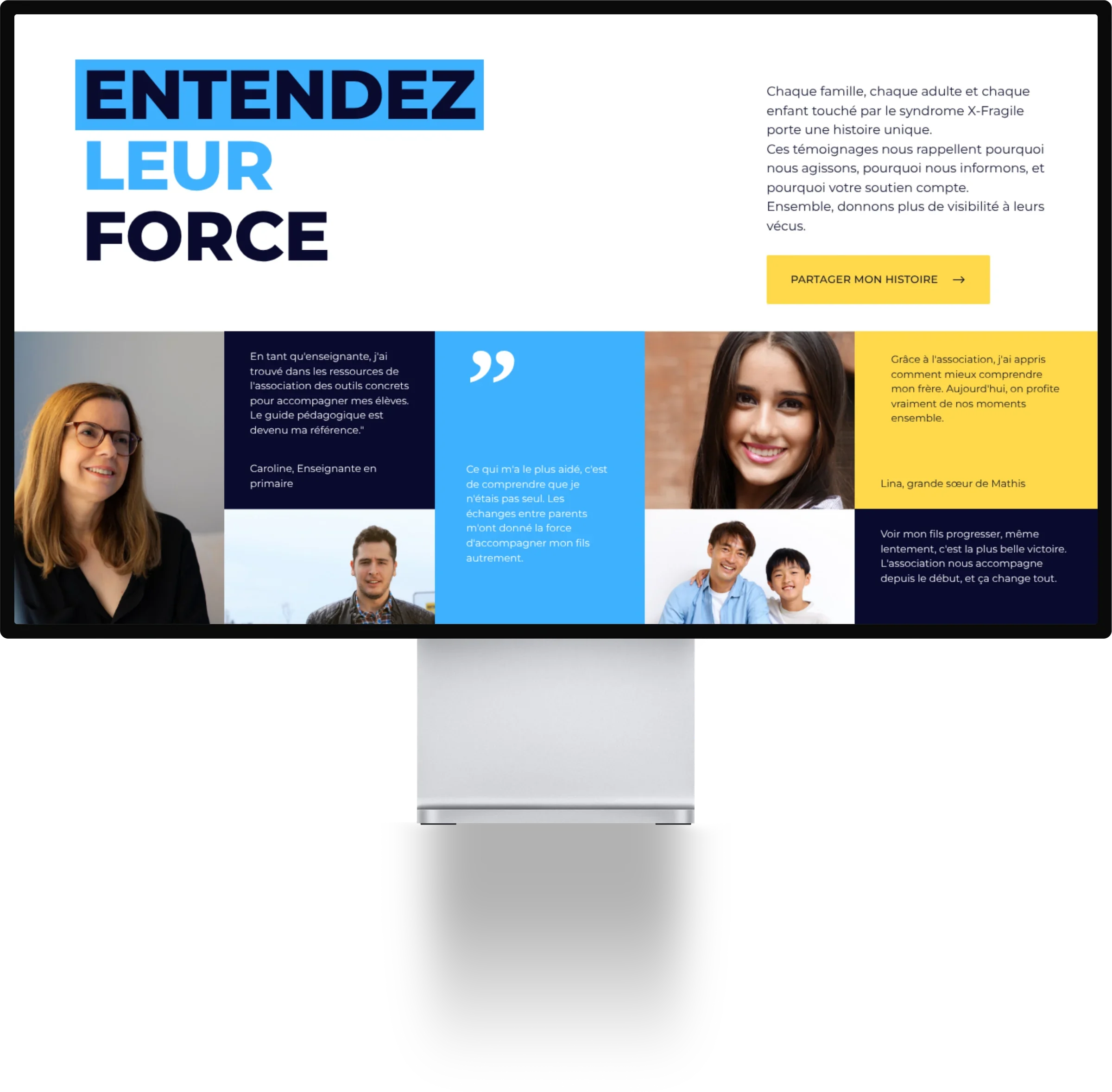
The audit had shown it: the association’s website was rich in content but hard to navigate. Deep menus, few faces, no contact visible from the home page. For a family that has just received a diagnosis, every click counts.

Beyond the brief, I proposed a website built around the codes and expectations of a non-profit: reassure before informing, point everyone to what concerns them, and make people want to get in touch.

  1. 01

    Seeing faces

    Portraits and testimonials from the home page: you are joining people, not an institution.

  2. 02

    Finding someone to talk to

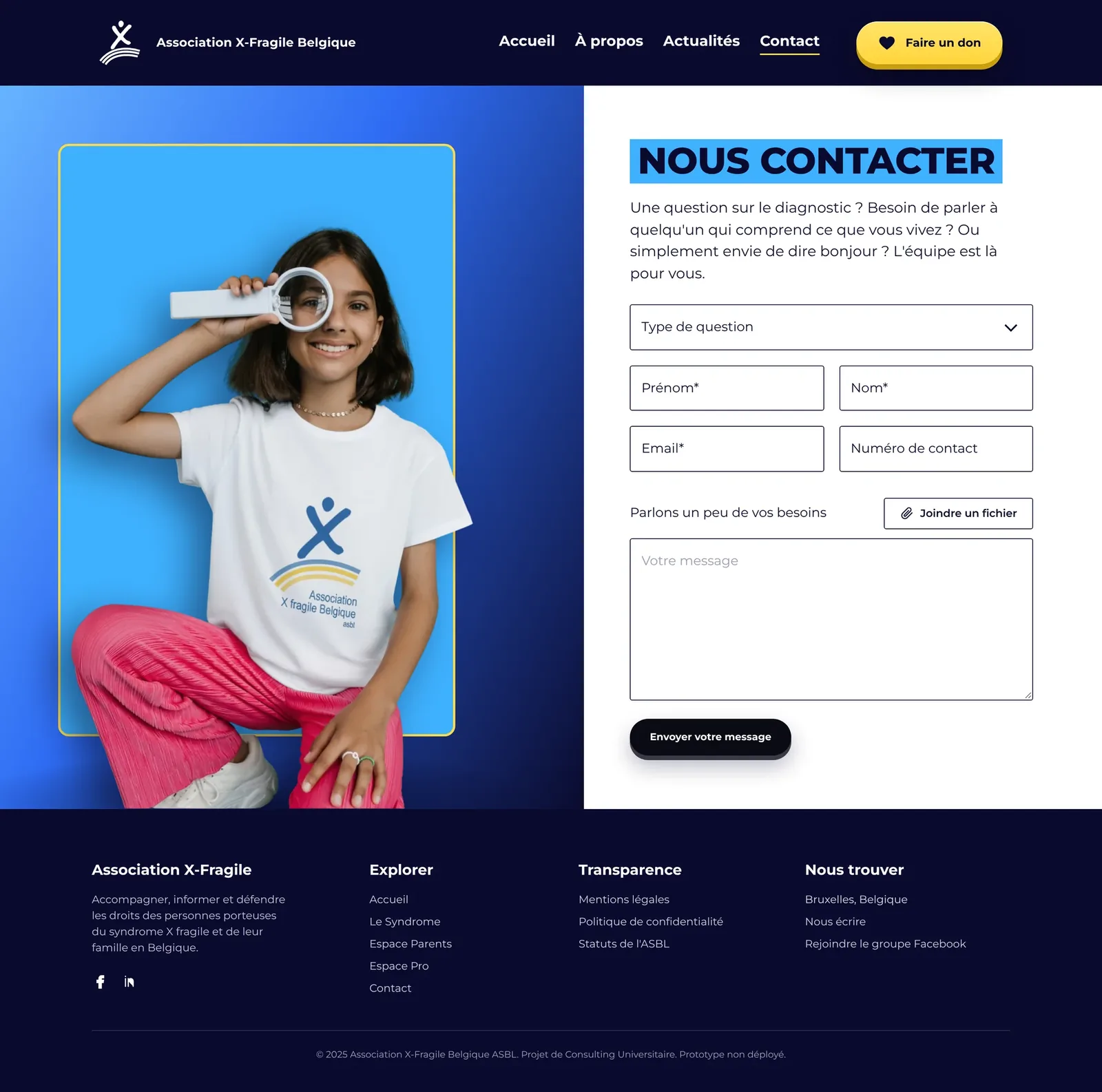
    A contact visible on every page, a short form that starts with the type of question, a support group where you can stay anonymous.

  3. 03

    Getting straight to the point

    Three ways in depending on who you are, parent, professional or supporter, and the full guide in a single download.

  4. 04

    Feeling welcome

    Bold colours taken from the logo, large and readable type, texts that speak directly to the person.

The prototype

As far as possible in the time available.

I designed the site alongside the assignment, on a very tight schedule and with the means at hand. The goal: to show the association a mock-up of what the families had broadly been asking for in the interviews, something they could click through rather than read about in a report.

Presented in December 2025, it opened the conversation: the association asked to continue working together to build it. The master’s schedule did not allow it, but the mock-up left them a concrete starting point for what comes next.

The prototype’s contact page: a photo on the left, a short form on the right
The prototype’s “Hear their strength” section on a large display: portraits and testimonials

Recap

A team action plan, a personal initiative.

  • An audit and qualitative research carried out in three months, turned into a prioritised action plan in five areas.
  • A website prototype, offered beyond the brief, that gave the digital recommendations a concrete shape.
  • And an association that asked to continue the collaboration to build the site.
Why did it take three apps to understand a single day?

On its own, a data point says very little. Its context, how it changes and how it connects to the rest are what give it meaning. I wanted to explore this art of interpretation on the most personal subject there is: my health. Health OS brings my sleep, my activity and my nutrition together in Notion, until then scattered across three apps, and analyses them in Power BI. To go beyond simple tracking, and see how this data can guide my decisions.

Context
Personal project
Role
Concept, development with AI, widget design, analysis in Power BI
Period
2026, rebuilt in September
Tools
Notion, Power BI, Python, GitHub Actions, Netlify, HTML, CSS, JavaScript

The product

A single Notion page.

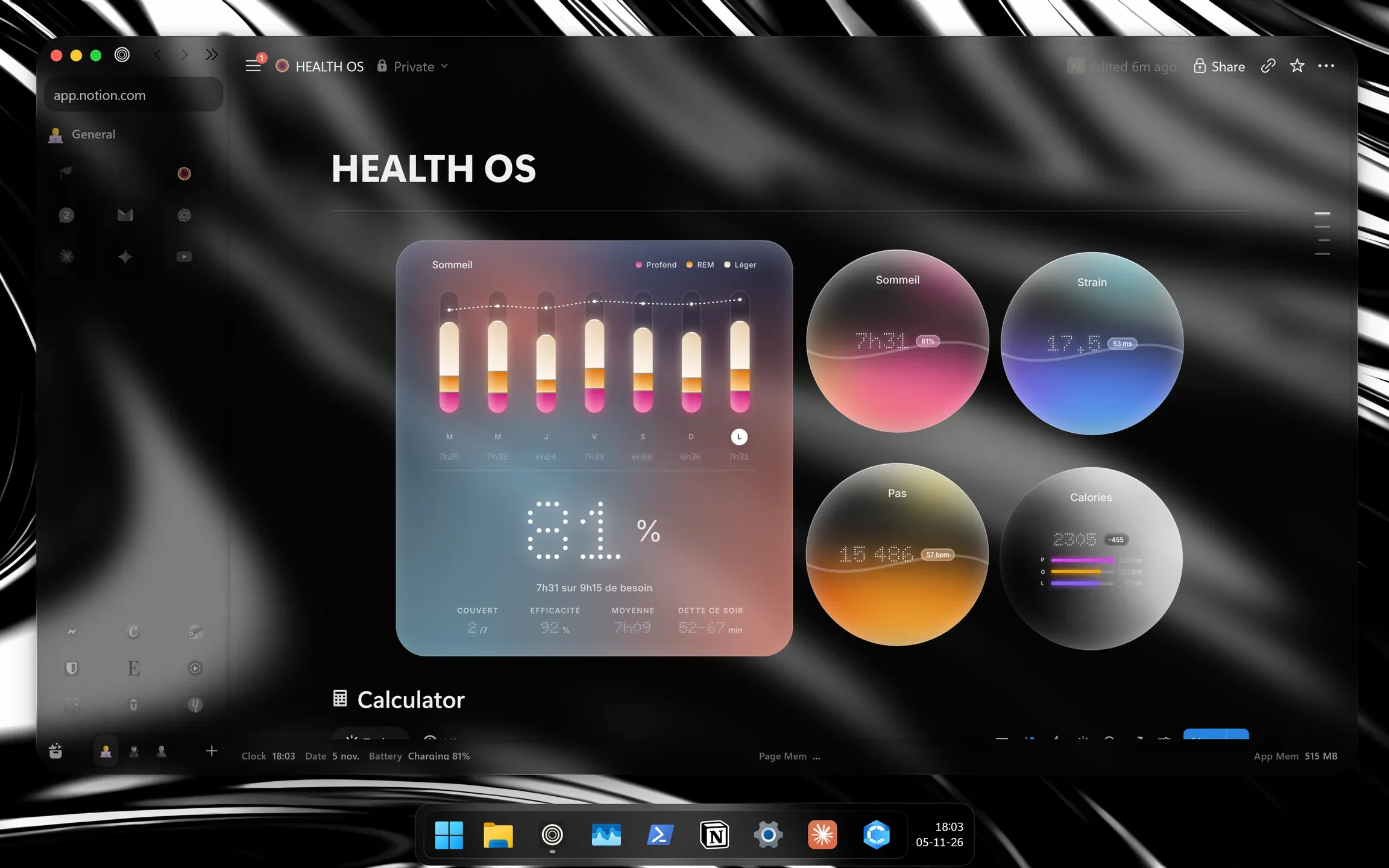
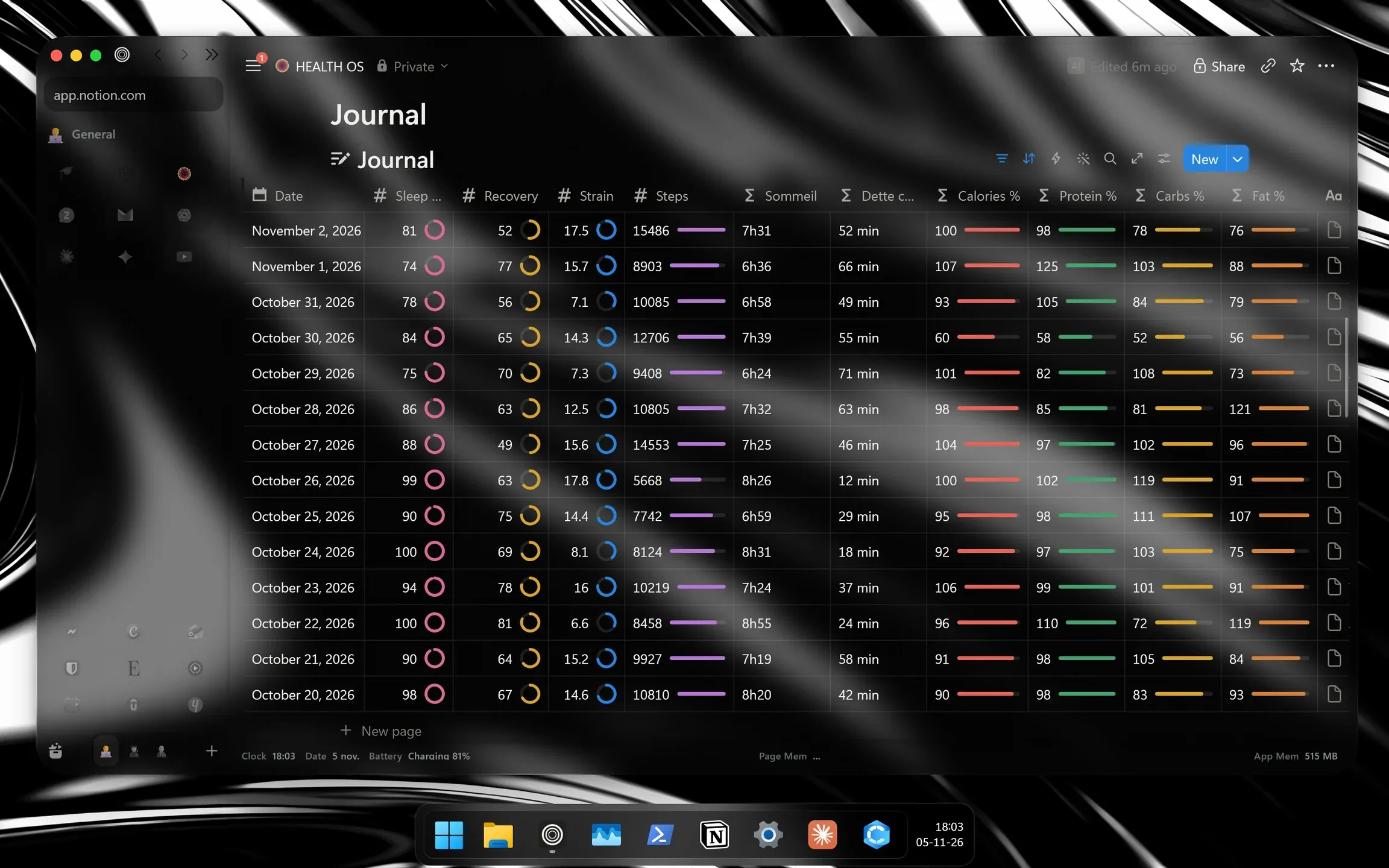
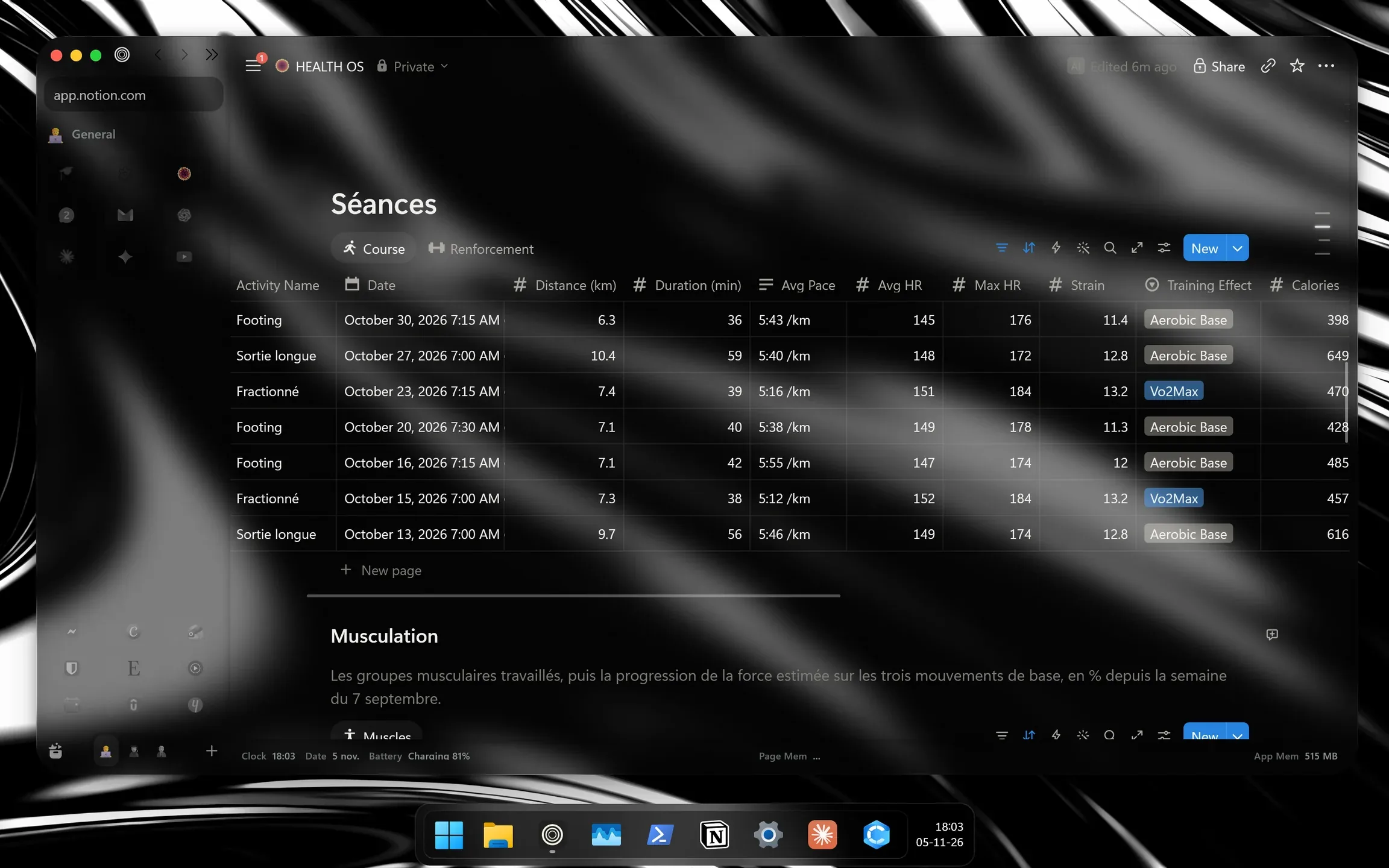
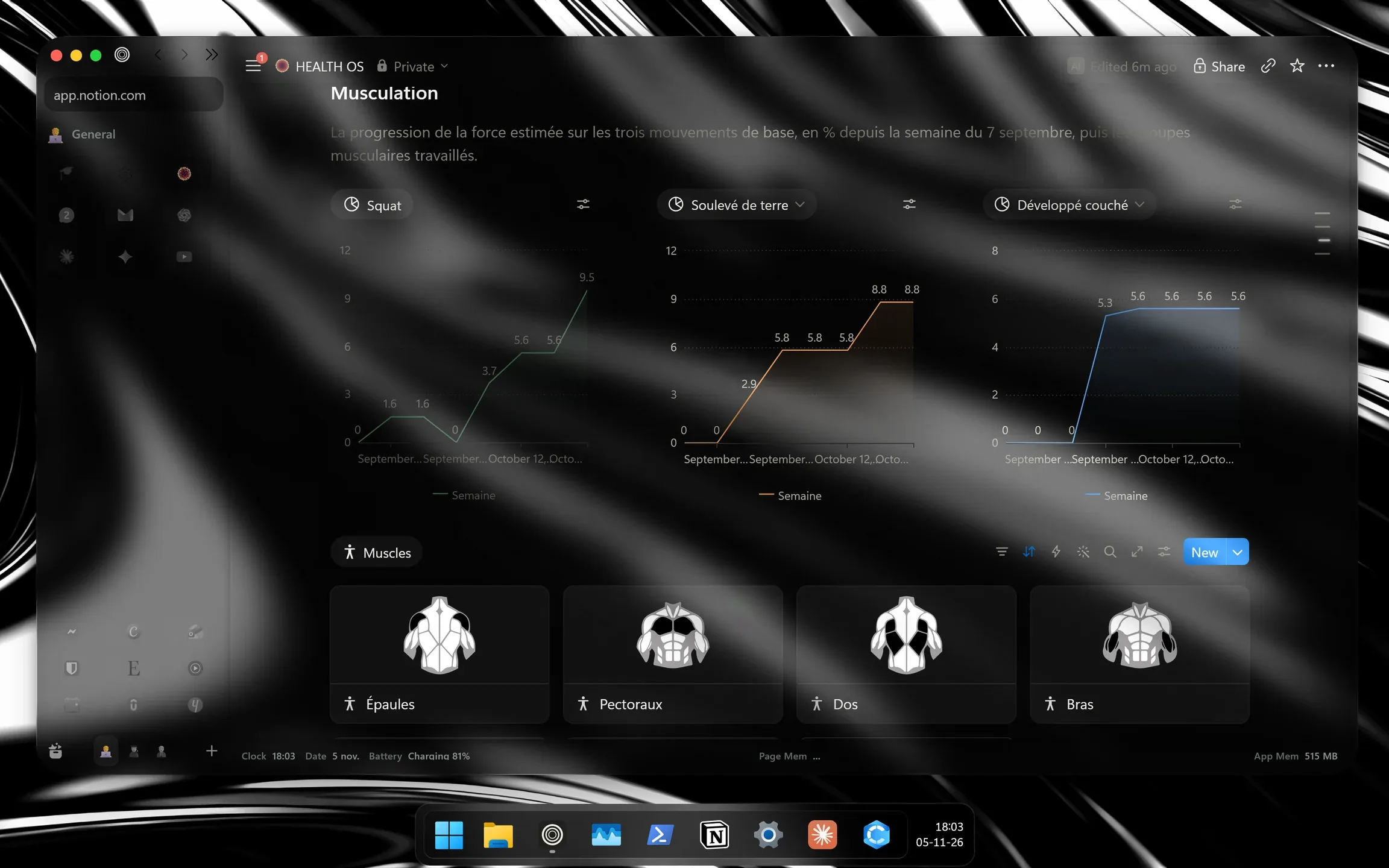
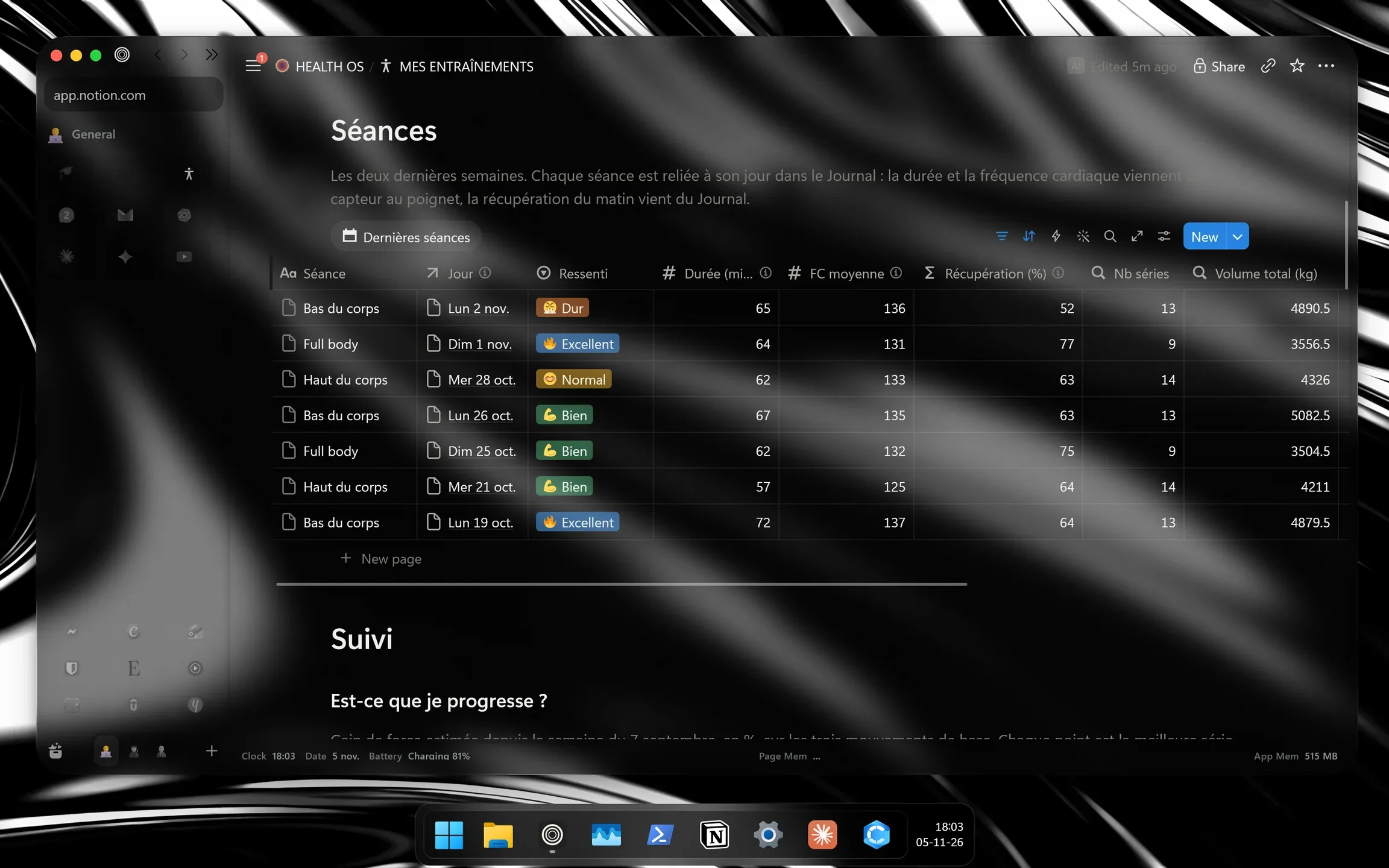
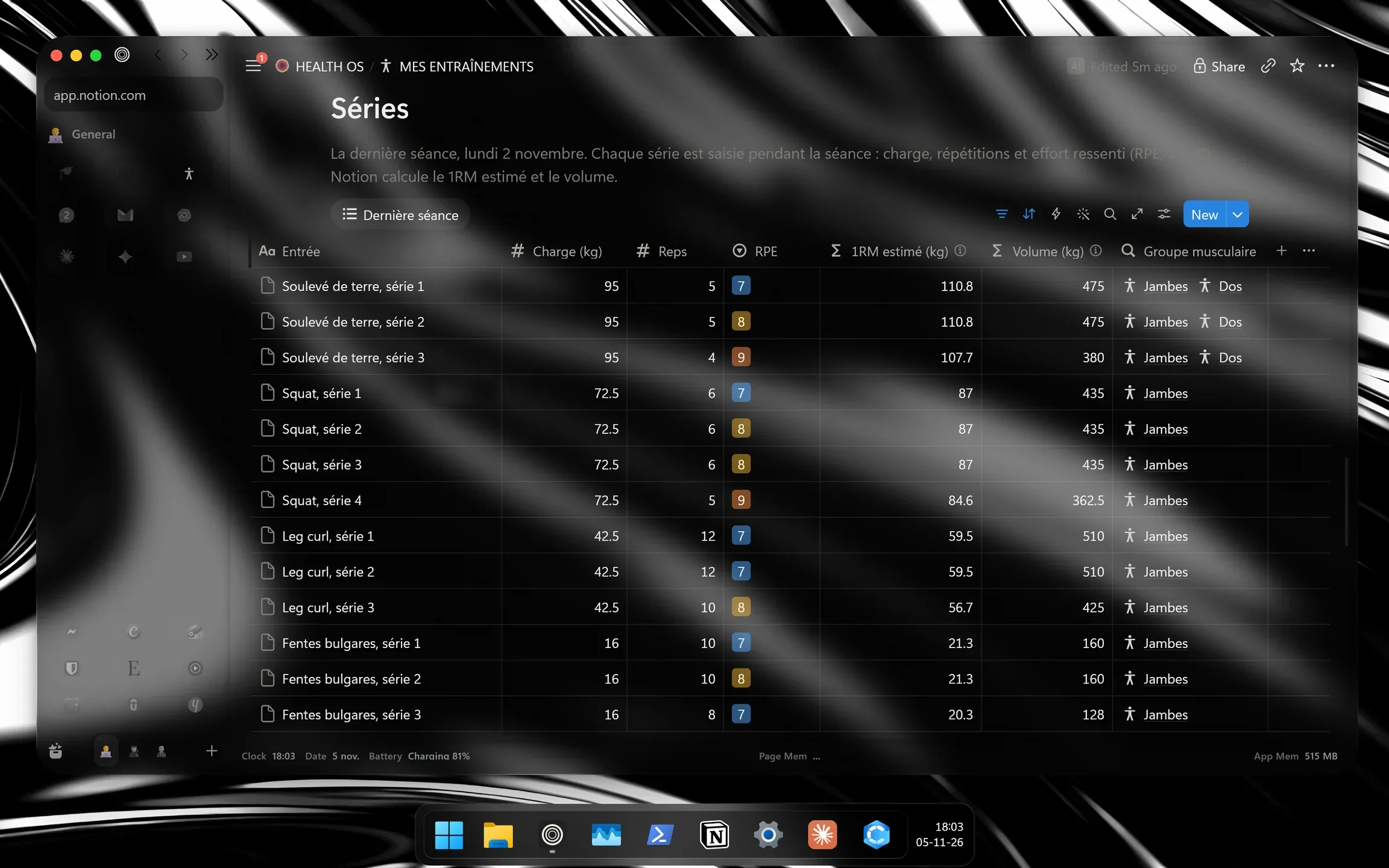
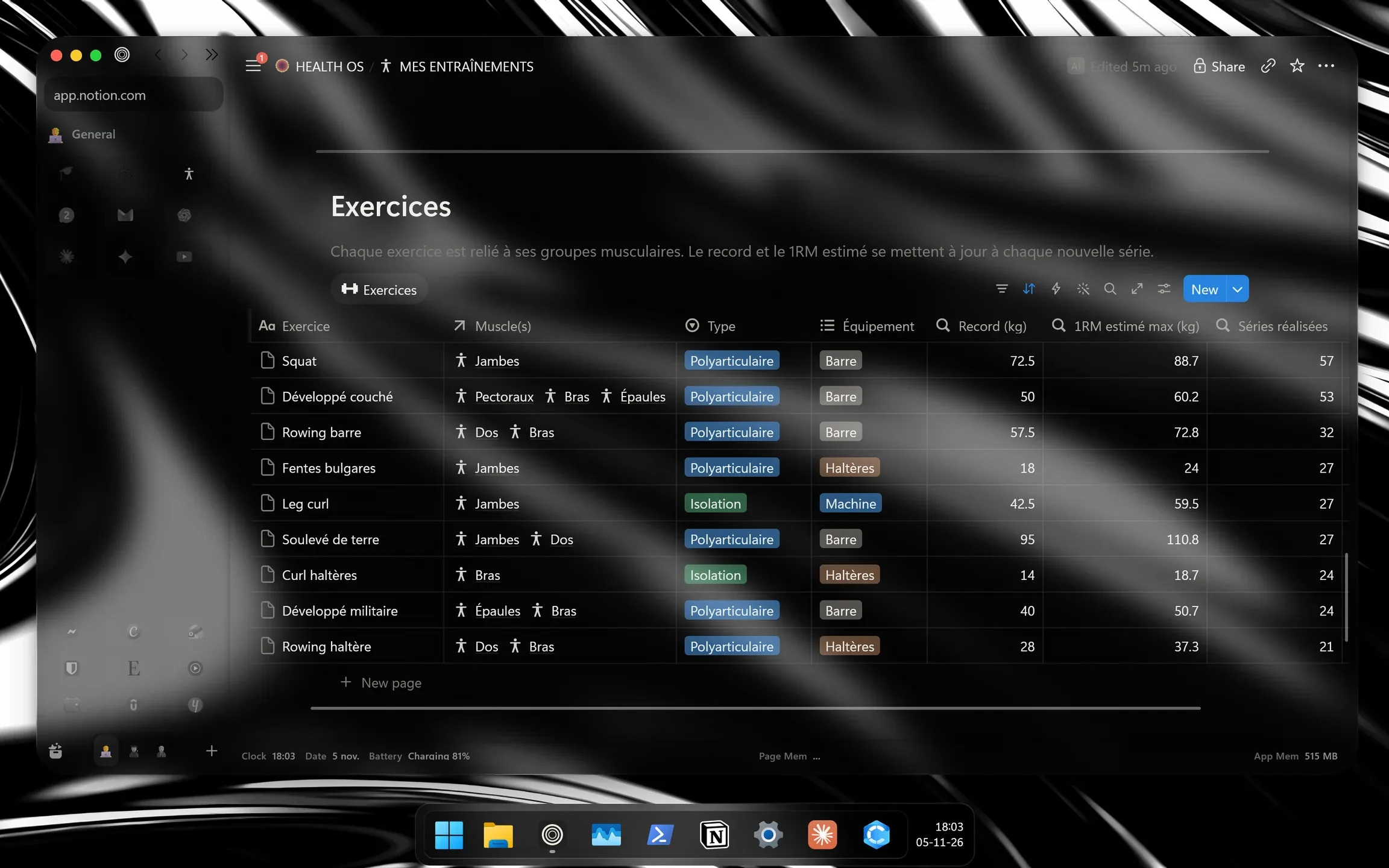
At the top, my widgets: my week of sleep, each night compared with what I needed that night, and four bubbles for the current day. Below, the calculator where I log my meals, then the journal, one row per day that fills itself in, and my workouts, down to the detail of each set.

And to analyse the data, a Power BI report, further down.

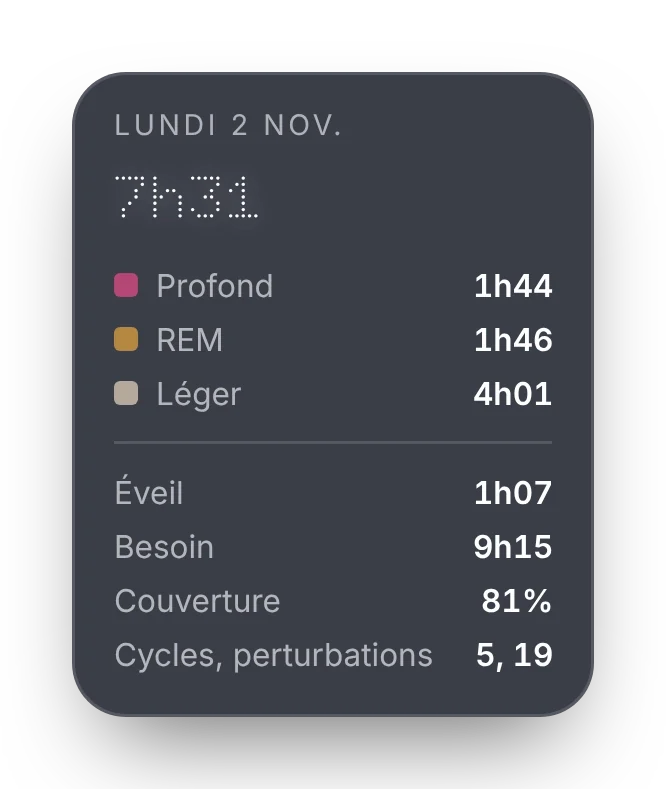
My Health OS page in Notion, on my desktop: the title, then the sleep, effort, steps and calories widgetsThe night of Monday 2 November in detail: 7 h 31 asleep, 1 h 44 deep sleep, 1 h 46 REM, 4 h 01 light sleep, 1 h 07 awake, 9 h 15 needed, 81% covered, 5 cycles, 19 disturbances. Made-up data

Demo pages, made-up data.

The starting point

I wanted to know whether my sleep, my training and my nutrition were heading the right way, and to understand what was holding me back.

3apps

Each piece of information lived in its own app: sleep in the wrist sensor’s, meals in a nutrition app, workouts somewhere else again. None of them talked to the others.

20 to 30minutes
a day

To get the full picture, I had to open everything, copy the numbers and make the connections in my head.

1 in 4days
logged

So I put it off, then gave up. Without regular data, there was no way to understand anything.

The idea

One place that fills itself in.

I already organise my life in Notion: my data should arrive there on its own, sorted and ready to read.

What I did

I study management: I have some programming basics, not a developer’s training. Building tools like this one, with AI, is how I learn the most.

  • Understanding the needWhat I wanted to see every morning, and why
  • Designing the systemWhich sources, which databases, which rules
  • Building it with AII describe, the AI writes the code, I test and fix
  • Drawing the widgetsEvery screen, the way I like it
  • Analysing the dataMy questions, my indicators, the Power BI report
  • Using it every dayThat is the best test

How it works

Two sources, one script, one place.

  1. 01

    Measure

    A wrist sensor measures my sleep, my recovery, my effort, my steps and my workouts. A nutrition app keeps the meals I log.

  2. 02

    File

    Every thirty minutes, a Python script runs on its own, scheduled by GitHub Actions. It fetches the new data and files it into three Notion databases: one row per day, one per night, one per workout.

  3. 03

    Read

    Formulas in Notion turn these numbers into easy-to-read markers, like the share of my daily goal reached. Widgets I designed and coded display them at the top of my page.

Only one thing is left to do by hand: logging my meals.

The analysis

Questions first, numbers second.

To move from tracking to analysis, I started from my questions: am I sleeping enough, am I getting faster, am I hitting my targets? Each question became an indicator, with a target and the change from the week before.

I built the report in Power BI: the data model, the DAX measures, then the layout, one answer per card. The Sleep page goes further: what is missing, a possible explanation, then a decision to test.

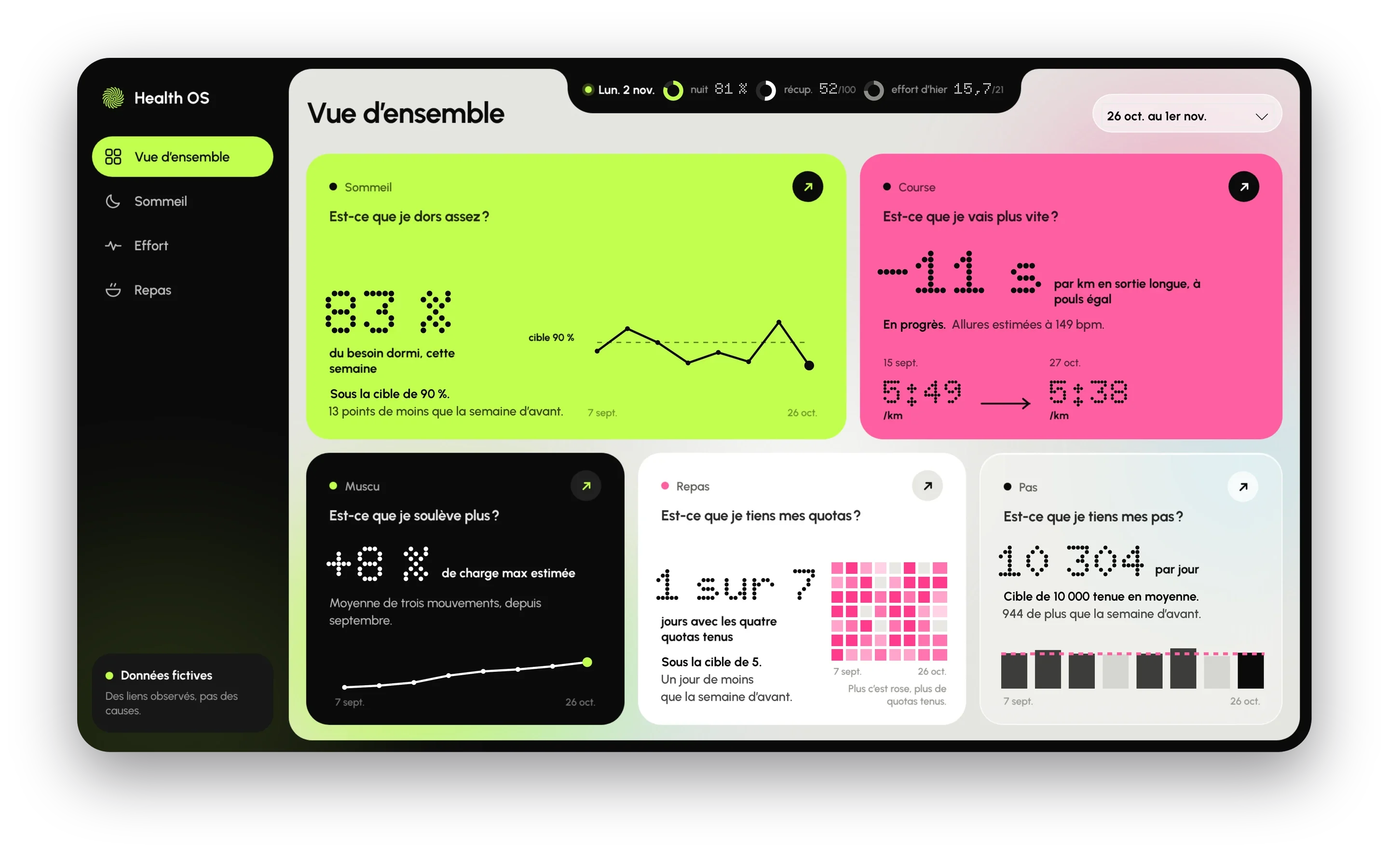
The Power BI report, overview: five cards, sleep, running, strength, meals and steps, each with a number, its target and a curve of the last eight weeks. Made-up data
The overview: one question per card, a number, its target and the change from the week before.
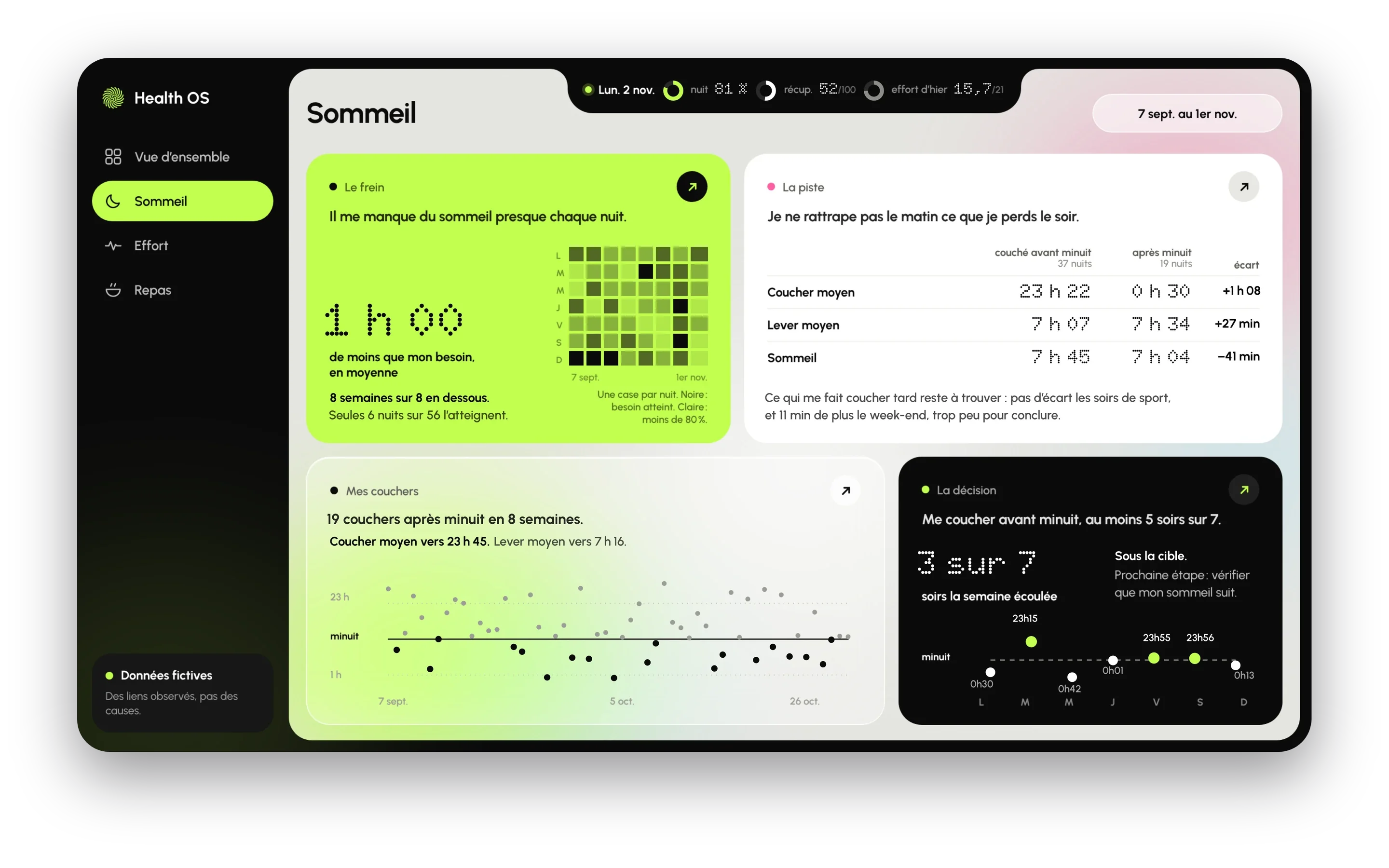
The Power BI report, Sleep page: the sleep shortfall over eight weeks, nights in bed before and after midnight compared, the scatter of bedtimes, and the decision to go to bed before midnight at least five nights out of seven. Made-up data
The Sleep page: the shortfall, a possible explanation, then a decision to test.

Under the hood

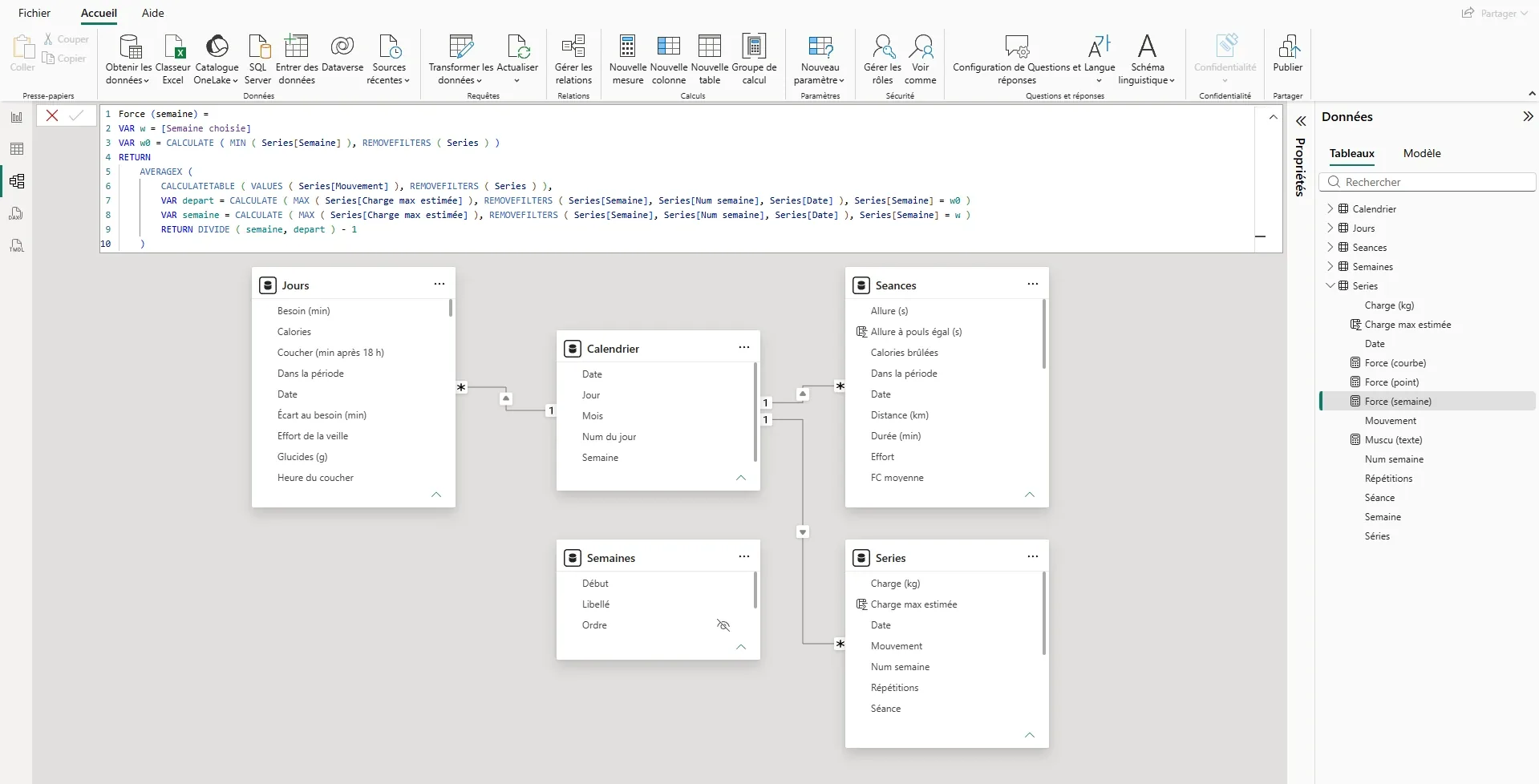
A model of five tables and 89 DAX measures. Here, strength progression: the average progression of three lifts since September.

Power BI Desktop, model view: the Days, Workouts and Sets tables linked to the calendar, and the DAX formula for strength progression
Built in Power BI Desktop, on made-up data.

What it taught me

AI makes it fast. Human rigour makes it reliable.

Building this project with AI taught me to tell code that runs from code that is right. AI writes fast, and its code runs even when it is wrong. Checking, testing, fixing: that is what made the system reliable.

  • Automatic

    The data arrives on its own, every thirty minutes. All that is left is logging my meals, a quarter of an hour a day.

  • One place

    Everything is in Notion, where I already organise my life. One page to open, no extra app.

  • My way

    Widgets I designed and coded. A tool you want to open is a tool you keep filling in.

  • Reliable

    If the script breaks or stops running, a monitoring tool spots it and emails me. I never have to check myself that everything is running.

The result

27%of days logged, the year before
100%of days logged since the project went live

What’s next

Understand, then stop typing anything in.

  1. 01

    Understand

    Connect the whole system to an AI that interprets my data in real time and helps me day to day.

  2. 02

    Dictate

    Say my meals out loud and let an AI log them for me: no more barcodes to scan, no more quantities to type in.

  3. 03

    No more typing

    The final step: an AI that does my grocery shopping online. It then knows the nutritional value of everything I buy, and all I have to do is say what I ate, and how much.

For now, AI interpreting health data remains a grey area, for reliability as much as for privacy. I keep it as a horizon, not a promise.

A fashion housein the making.

The purpose

There is a town in Iranian Kurdistan where rugs are woven so tightly they are said to be made of iron. They pass from hand to hand for generations, and no one remembers the name of whoever knotted them. That is where a name comes from, and an idea that resembles it.

The idea that luxury belongs to no country. That it can be born of cultures people rarely look at, of hands no school has trained, and keep what defines it. Longevity. Precision. Discretion.

And that a house is not only what it sells. It is what it shows, who it brings together, what it chooses to leave unsaid. The world around a garment matters as much as the garment.

Bijarius is being built the way they weave there. Slowly, from the inside, tight enough to hold. It is waiting until it is ready.

The ambition

To become, one day, someone’s inspiration. Someone who, somewhere, is looking for a reason to begin, and who will name the house without needing to explain why.

To remain an auteur house, where you can feel an intention and a hand, one people can relate to because there is someone behind it, not a staged closeness.

To leave a mark that rests neither on a name nor on numbers, but on daring: on what it will have done differently, what it will have proved possible, the values handed down to it that it will have carried further, and the ethics that will have held all of it together. And that, seen from there, the road from Bijar should look obvious.

Where it stands

The foundations. An identity still finding itself in what it looks at, what it listens to, what it turns down. References that pile up and get sorted. Nothing is settled yet, and what is decided now will hold for a long time.

The first trials happen on screen before they happen in fabric. They are drawn, corrected, started over, until they deserve to exist for real.

It has not given itself a date. It is learning and building. For now, it shows the people who taught it how to look.
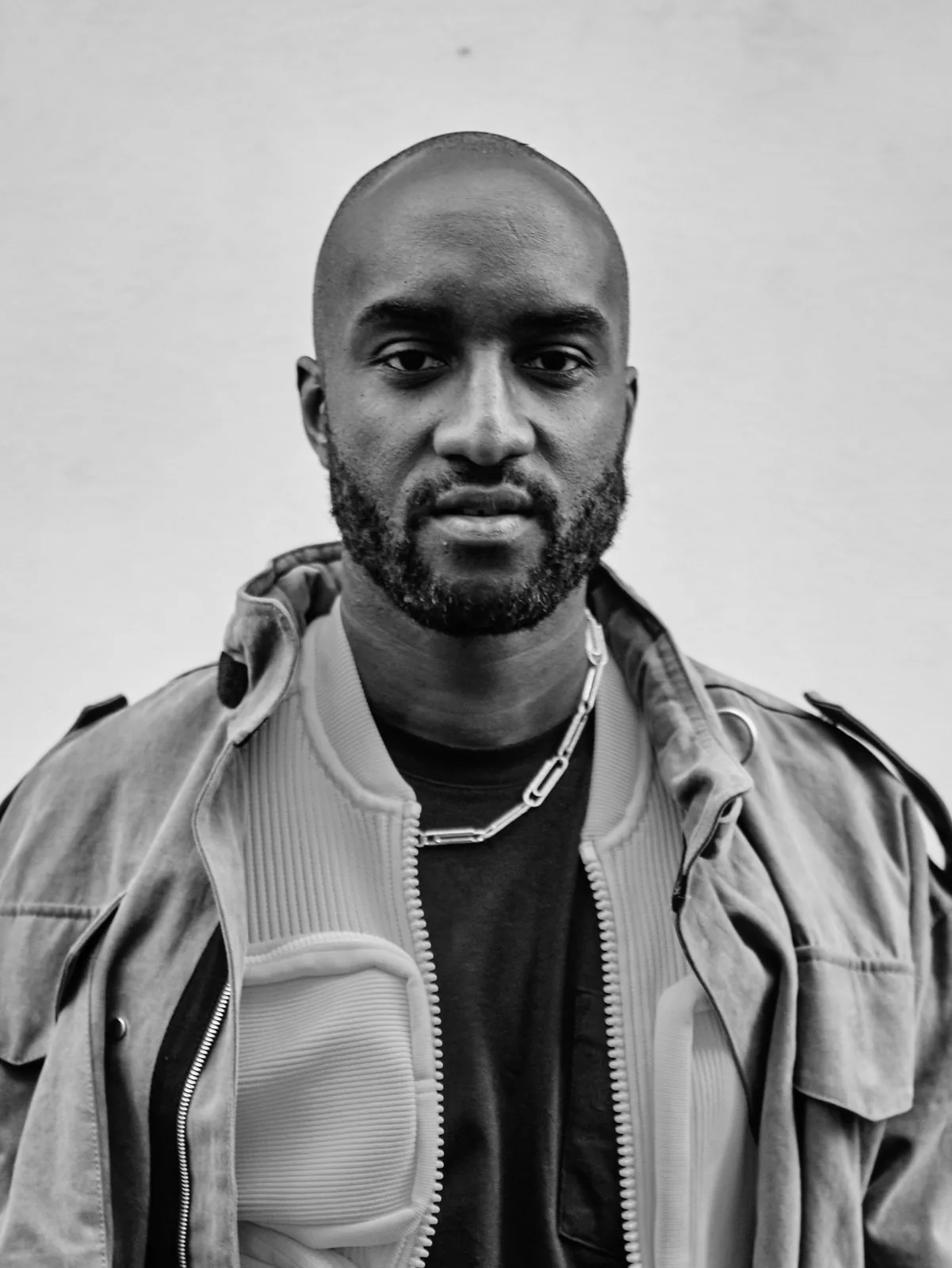
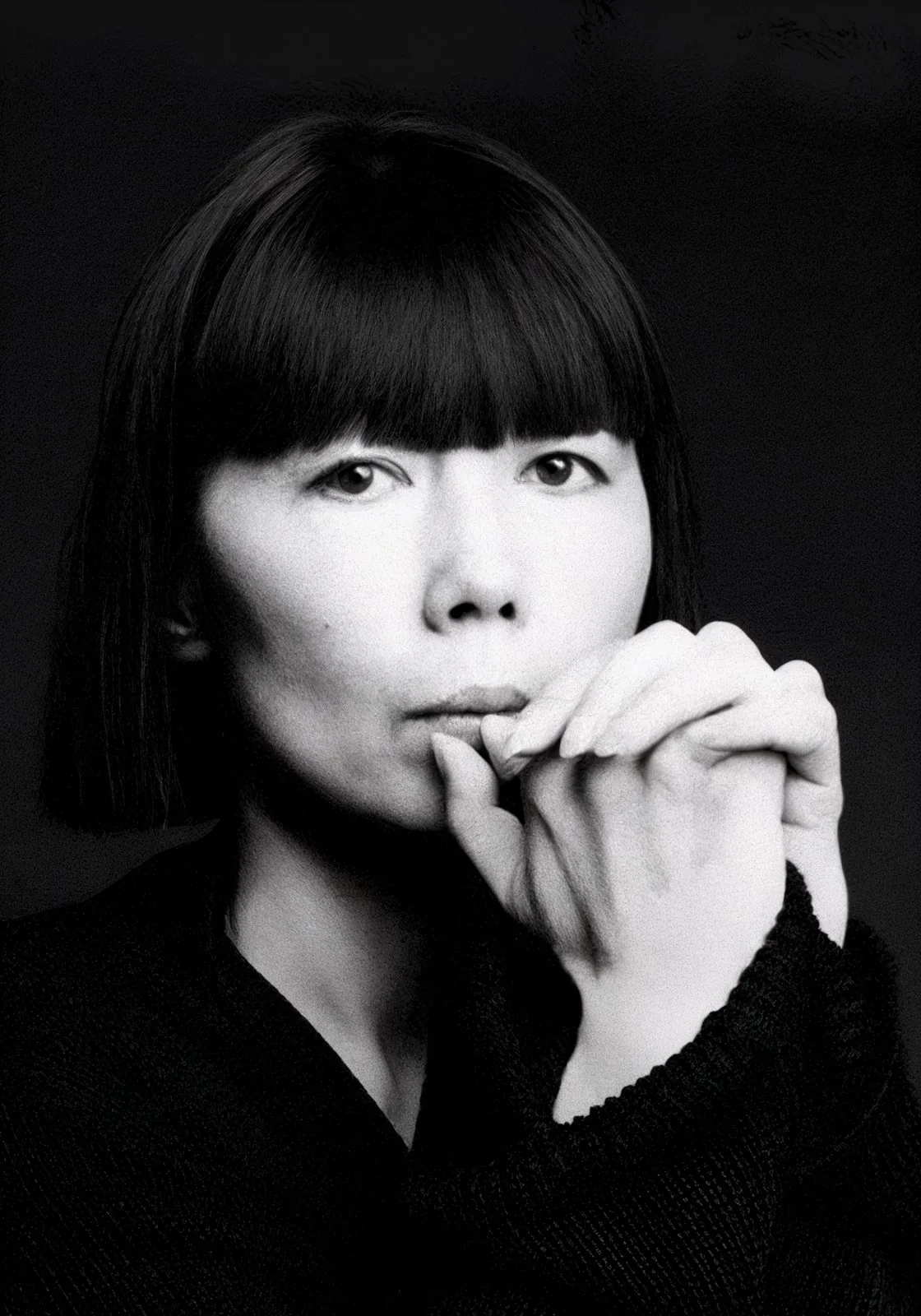
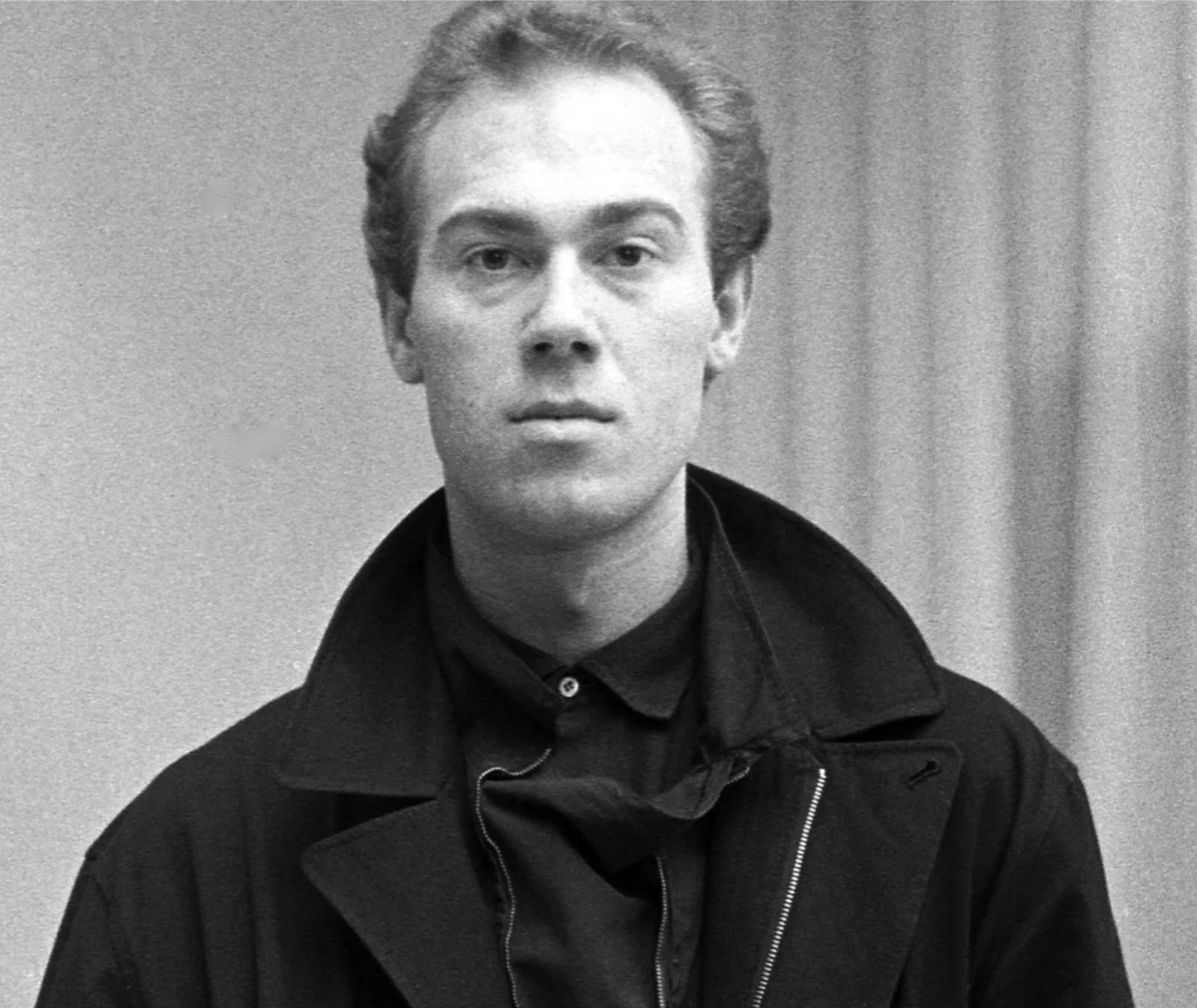
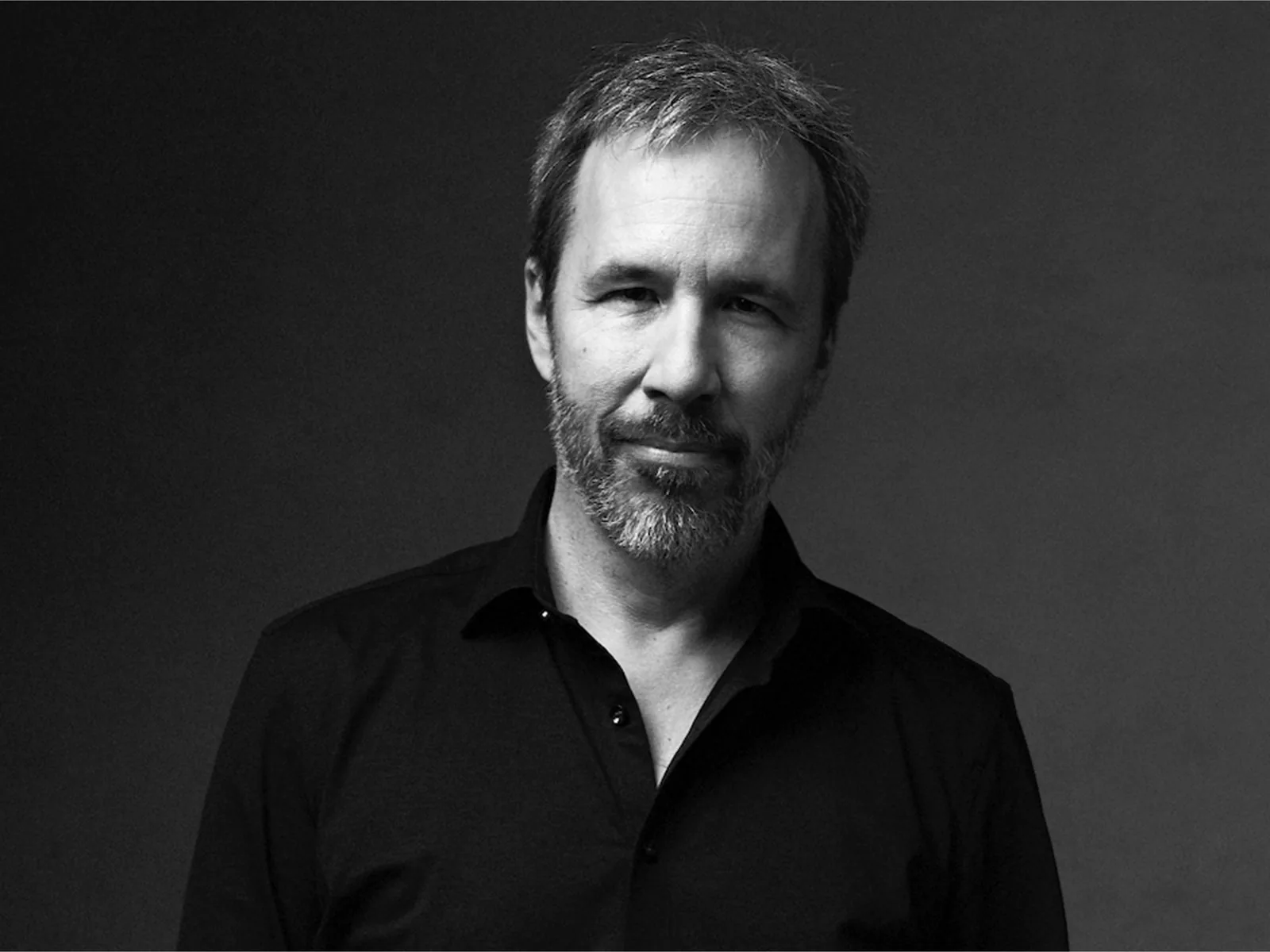
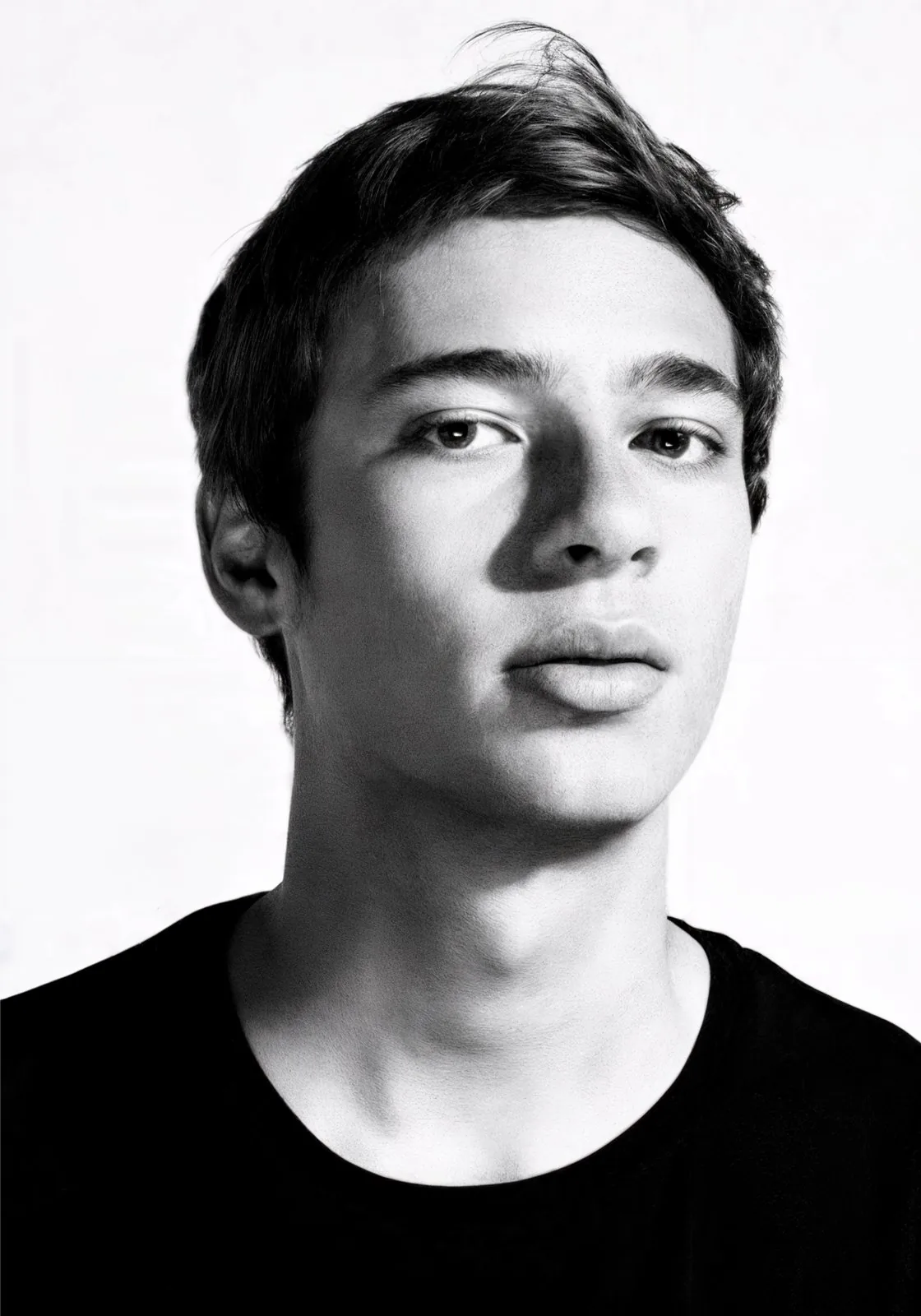
Inspirations

Coming soon

Rei Kawakubo
Martin Margiela
Denis Villeneuve
Flume
Nigo
Martin Scorsese
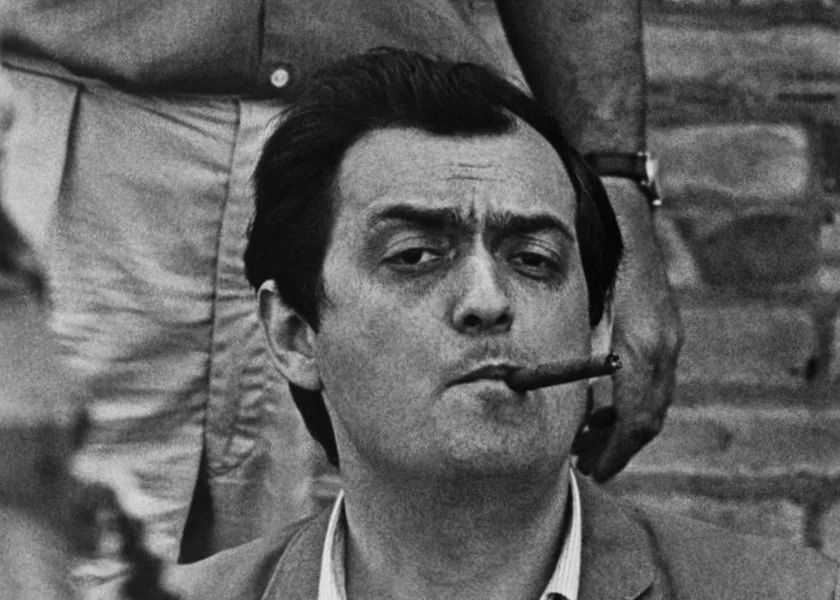
Stanley Kubrick
Ann Demeulemeester
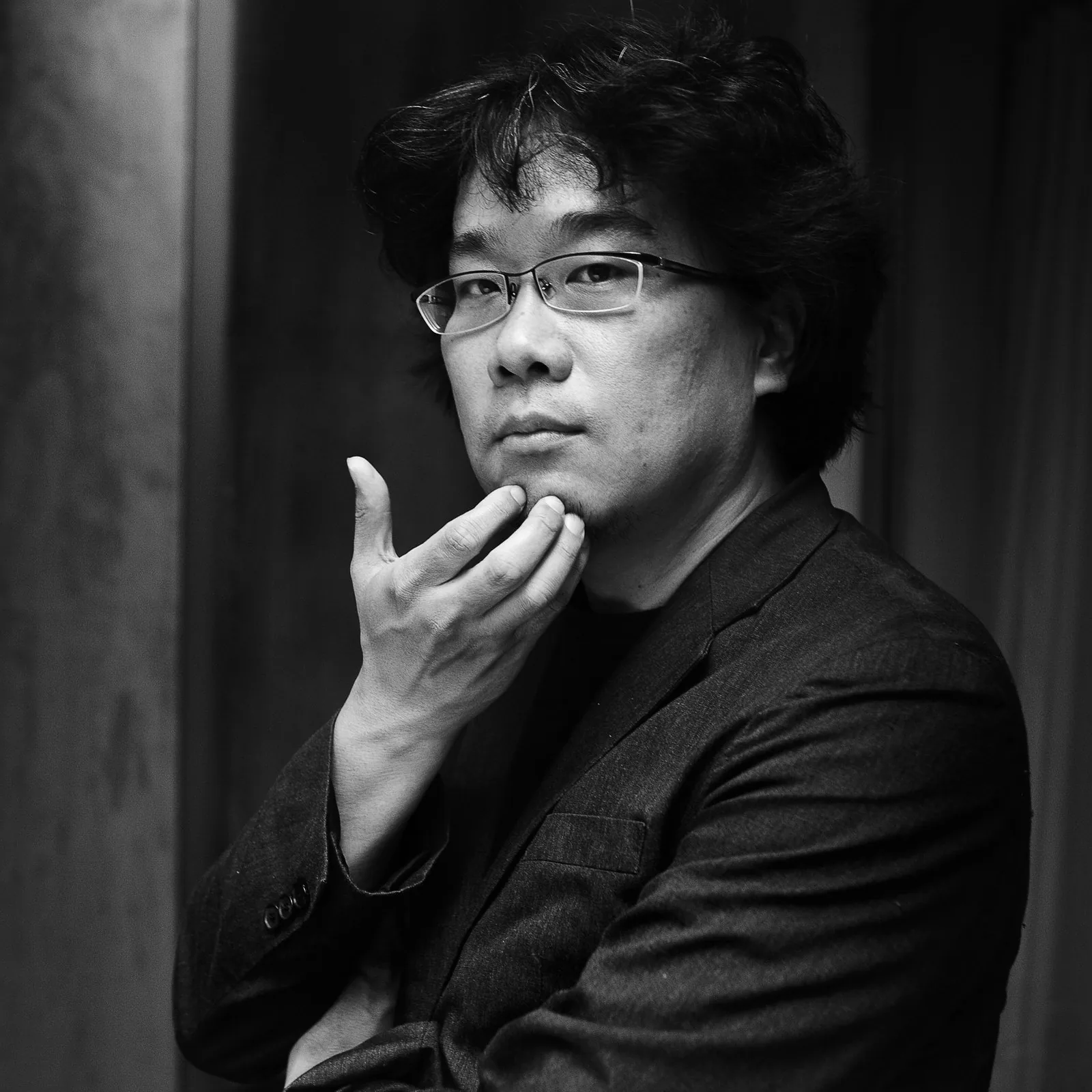
Bong Joon-ho
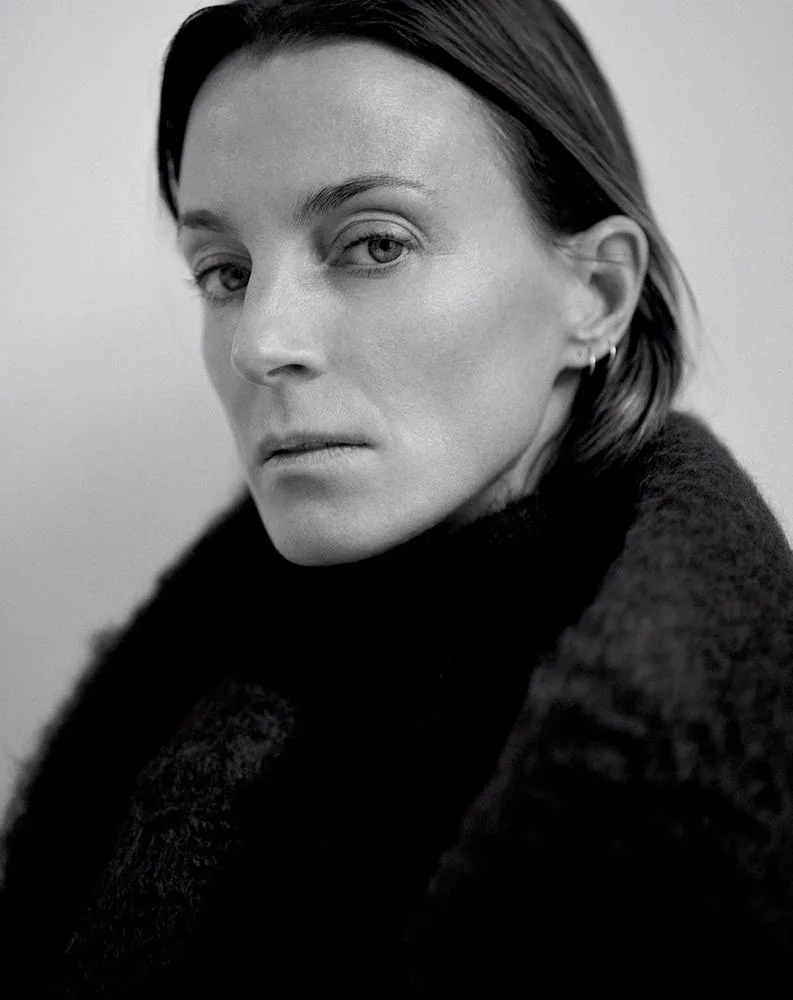
Phoebe Philo
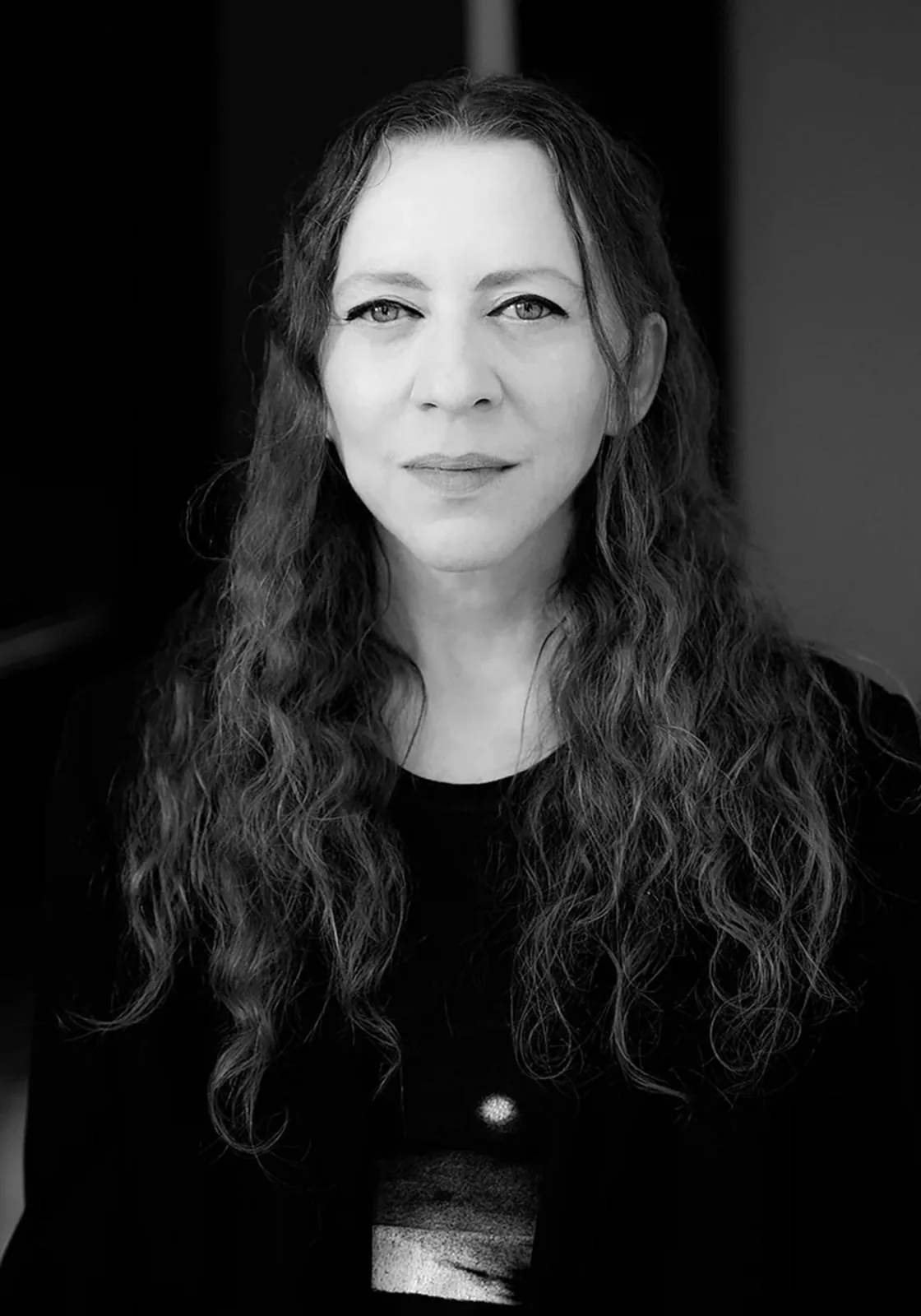
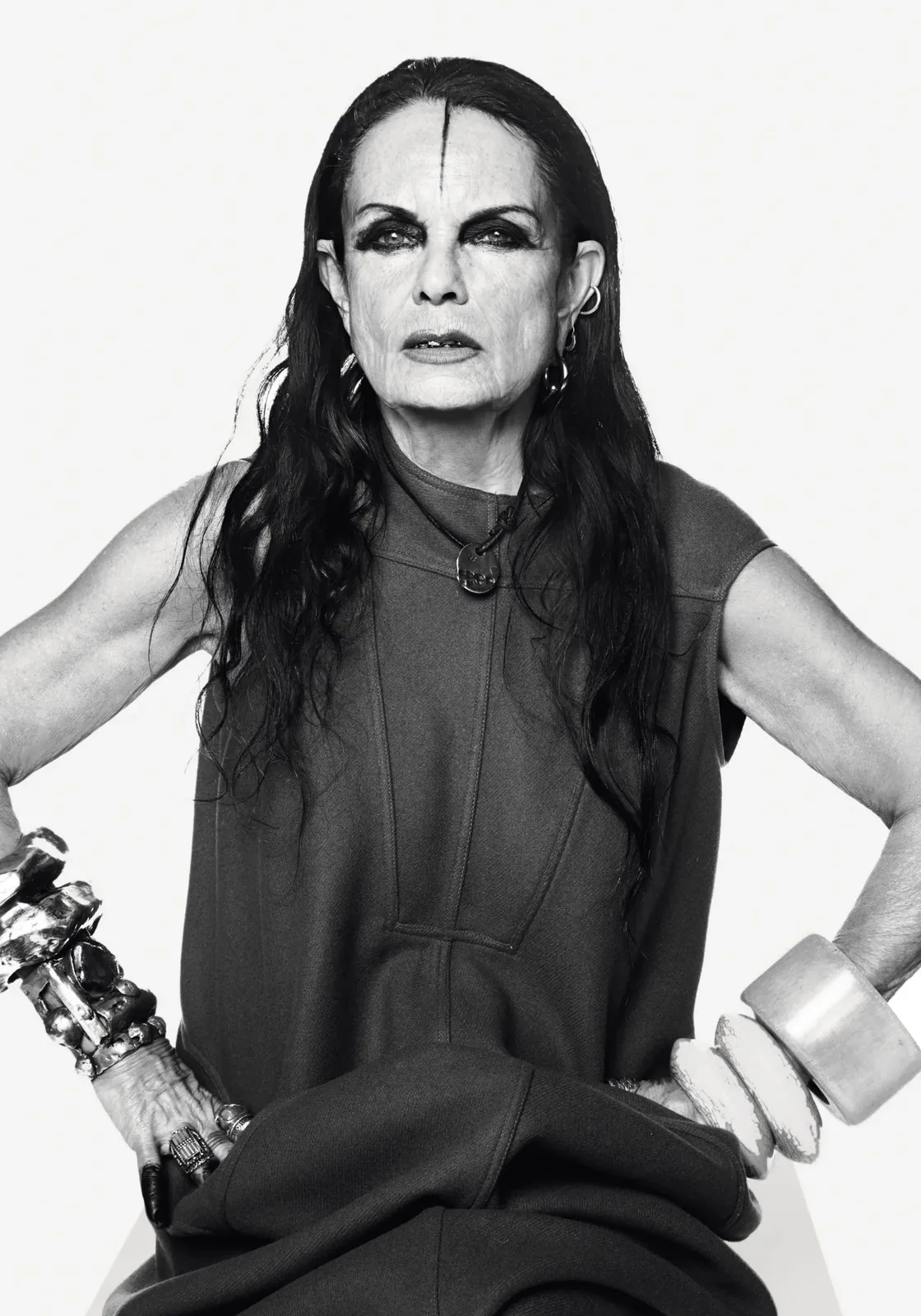
Michèle Lamy
Virgil Abloh
Rei Kawakubo
Martin Margiela
Denis Villeneuve
Flume
Nigo
Martin Scorsese
Stanley Kubrick
Ann Demeulemeester
Bong Joon-ho
Phoebe Philo
Michèle Lamy
Virgil Abloh
Rei Kawakubo
Martin Margiela
Denis Villeneuve
Flume
Nigo
Martin Scorsese
Stanley Kubrick
Ann Demeulemeester
Bong Joon-ho
Phoebe Philo
Michèle Lamy
Virgil Abloh

My inspirations

01 / 12

About

EducationMaster’s degree, Louvain School of Management, 2025 to 2027Major in Corporate Finance
What I doE-commerce and digital strategyAI and automationArt direction and designConsulting
LanguagesFrench, Persian, English, Dutch
This site, built withClaudeJavaScript, Three.js, GLSLGSAP, LenisCanvas, SVG, WebGLPython, Playwright
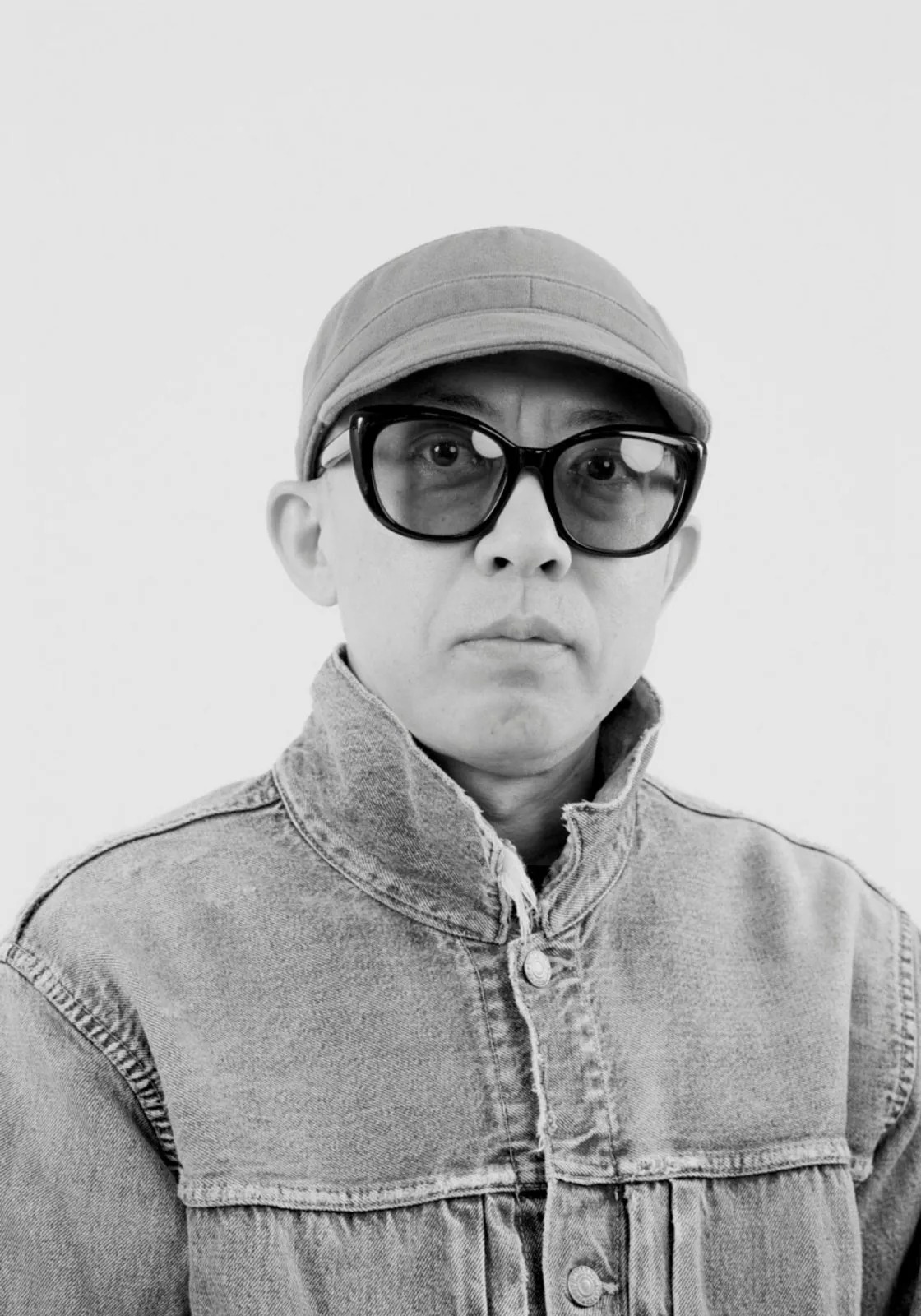
Portrait of Kourosh Koobasi, black and white, the left eye in colour

An About page is supposed to explain who you are. I tried, but three lines in, it already sounded like someone else. So I’ll keep it simple.

I wake up in Paris. It’s still early. I go for a run before the city stirs. Then I head to the studio. Fabric on a table, a pair of jeans to take in by two millimetres, a show coming up. We talk materials, cuts, ideas. We don’t always agree. Thankfully. In the afternoon, I move from the drawings to the numbers.

Someone has to make sure it all adds up. In Brussels, a workshop keeps the same house alive, a little closer to my roots. There’s the foundation, too: projects to support, chances to give to those who haven’t always had them. In the evening, I come back to music. Sometimes to listen, sometimes to mix.

I imagined this day a few years ago, answering a question: “Where do you see yourself in ten years?” It hasn’t happened yet. I don’t know if it ever will. Come to think of it, it still sounds like someone else. Except this time, it’s someone I’d like to become.

AvailableInternship, from February 2027

Brussels [00:00]Belgium, and elsewhere

LinkedIn

I’m looking for an internship where a brand is thought through and built: strategy, digital and technology, in the service of a creative universe.

I’m at ease where these worlds meet: a collection idea and its data model, a campaign and its automation, an art direction and the code that brings it to life.

I’d rather understand before I produce, and build rather than present. I ask questions early, I say what I don’t know yet, and I keep my word. If you’re looking for someone who learns fast, write to me.

Write to me

CONTACT